
There was a time when travel meant switching off completely—out-of-office replies, unread emails, maybe even a little guilt about not being “available.” That boundary felt clear.
Then something shifted.
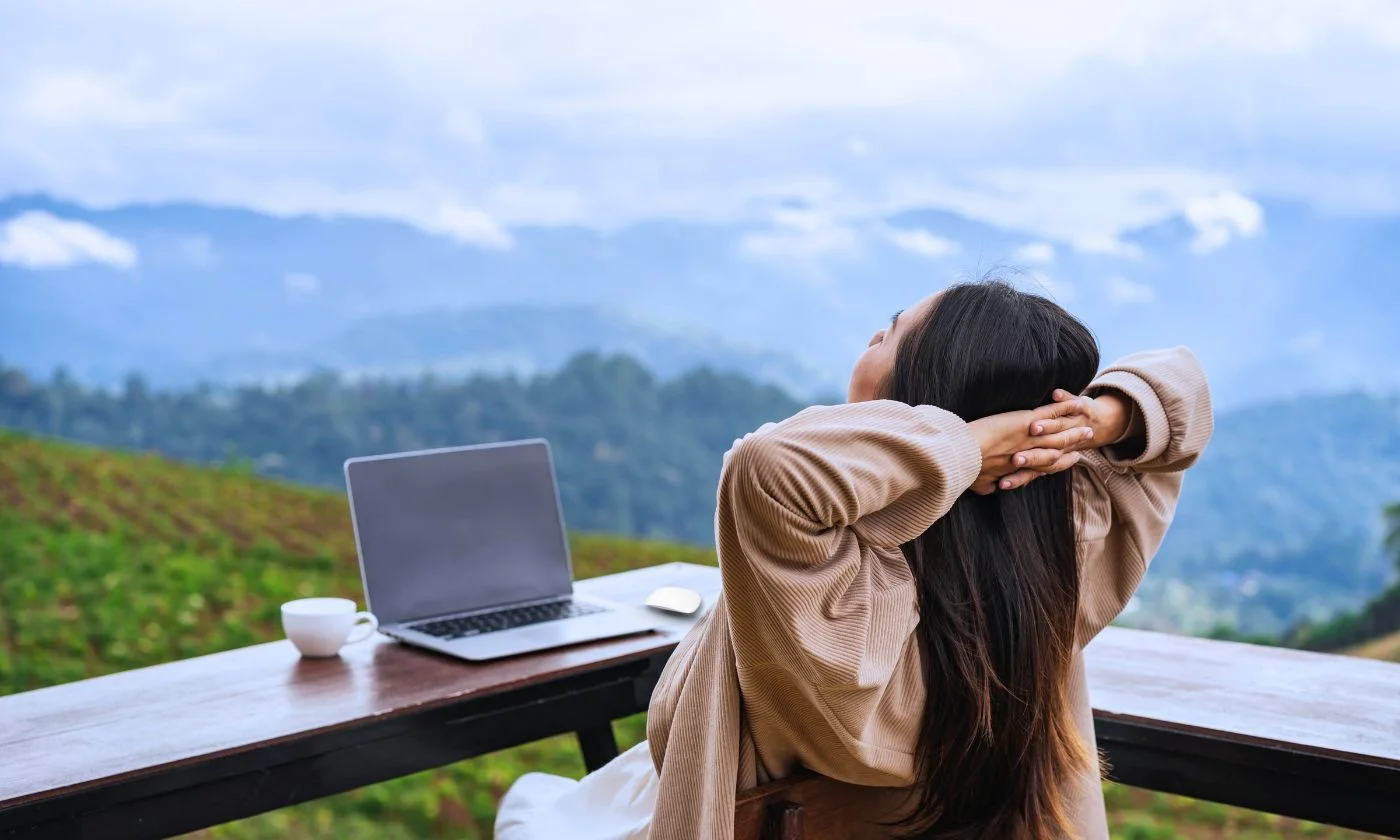
Laptops started showing up in cafés overlooking mountains. Zoom calls began happening with ocean waves in the background. And suddenly, the idea of mixing work with travel didn’t feel indulgent—it felt… possible.
That’s how workation culture quietly slipped into everyday conversations in India.
How Workations Became a Thing
It didn’t happen overnight. The pandemic played a big role, of course. Remote work became normal, not optional. And once people realized they didn’t need to be physically present in an office to do their job, a question naturally followed—why stay in one place?
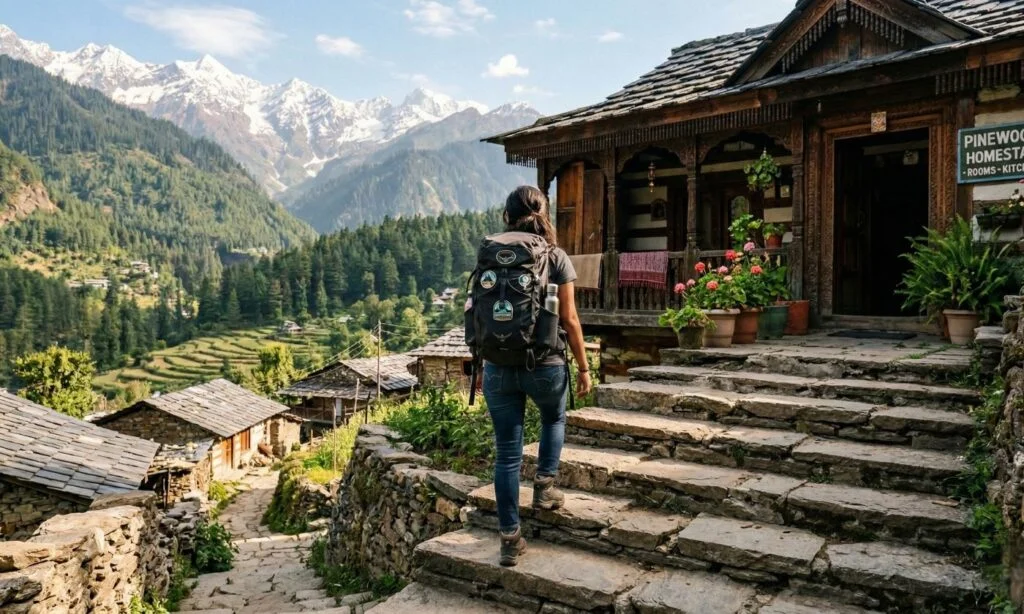
Hill stations like Himachal, beach towns in Goa, even quieter corners of Uttarakhand started seeing a new kind of traveler. Not tourists exactly, but not locals either. People staying for weeks, sometimes months, balancing deadlines with sunsets.
It felt like a small rebellion against routine.
The Appeal That’s Hard to Ignore
There’s something undeniably attractive about the workation lifestyle.
You wake up in a new place, maybe with a view that feels a little unreal. Work still happens—emails, meetings, tasks—but there’s a different energy to it. Less rushed, more intentional.
Evenings aren’t spent in traffic or scrolling mindlessly. You step out, explore, breathe a little differently. It’s not a vacation, but it’s not the usual grind either.
For many, especially younger professionals, that balance feels like a better way to live.
The Question That’s Starting to Surface
But as with any lifestyle shift, the excitement eventually meets reality. And that’s when people start asking: Workation culture India me long-term sustainable h ya temporary trend?
It’s a fair question.
Because while the idea is appealing, sustaining it over time is a different story altogether.
The Practical Side No One Talks About Enough
Workations sound great on paper, but they come with their own set of challenges.
Reliable internet isn’t always guaranteed, especially in remote locations. Power cuts, network issues, unexpected disruptions—they can turn a productive day into a frustrating one.
Then there’s the work itself. Not every job allows flexibility. Some roles require strict schedules, constant availability, or physical presence. For those professionals, the workation model isn’t always practical.
And even when it is, maintaining productivity in a constantly changing environment can be harder than it seems.
The Blurred Line Between Work and Rest
One subtle downside of workations is how they blur boundaries.
When your workspace is also your living space—and your vacation spot—it becomes difficult to switch off completely. You might find yourself checking emails late at night, or thinking about work while trying to relax.
The balance that initially felt refreshing can slowly start to feel… off.
It’s not burnout in the traditional sense, but something close to it.
Cost vs. Experience
Another factor that often gets overlooked is cost.
Long-term stays in popular workation destinations can be expensive. Accommodation, food, travel—it adds up. While some people manage it within their budget, for others, it becomes a luxury rather than a lifestyle.
That raises an important point: workations are accessible, but not equally so for everyone.
And that affects how sustainable they can be on a larger scale.
The Rise of Workation-Friendly Infrastructure
Interestingly, the ecosystem is starting to adapt.
Co-working spaces in smaller towns, better internet connectivity in tourist areas, accommodations designed specifically for remote workers—these are becoming more common. Some state governments are even promoting “work from hills” or “work from beach” initiatives.
It’s a sign that the demand is real.
And when infrastructure starts catching up with a trend, it usually means the trend has some staying power.
A Lifestyle for Some, Not All
Here’s the thing—workation culture isn’t meant to replace traditional work setups entirely.
For some people, it works beautifully. Freelancers, remote workers, digital nomads—they can design their schedules around this lifestyle. For them, it’s not just sustainable; it’s ideal.
For others, it’s more of a phase. Something to try for a few weeks or months before returning to a more stable routine.
And that’s okay.
A More Balanced Way to Look at It
Maybe the future isn’t about choosing between office life and workations.
Maybe it’s about flexibility.
A few weeks of workation every year. Occasional remote stints. The freedom to change environments without completely disrupting your workflow. That kind of hybrid approach feels more realistic.
Less extreme, more adaptable.
A Thought That Stays With You
Workation culture in India isn’t just a trend—but it’s not a universal solution either.
It’s a reflection of something deeper: the desire for a better balance between work and life. A reminder that productivity doesn’t always have to come at the cost of experience.
Whether it lasts long-term or evolves into something else, one thing is clear—it’s already changed how people think about work.
And once that mindset shifts, it rarely goes back to what it was before.