Water is one of those things that quietly powers our daily lives. We use it to make coffee, wash dishes, clean clothes, take showers, and prepare meals. It’s so deeply woven into our routines that we rarely stop to think about it.
Until something changes.
Maybe the water starts tasting different. Perhaps your dishes never seem completely spotless, no matter how many times they go through the dishwasher. Sometimes it’s an odd smell, a stubborn stain, or simply the feeling that something isn’t quite right.
Those small moments have a way of getting our attention.
The interesting thing about water is that we often notice problems long before we understand what’s causing them. And because water touches nearly every corner of a home, even minor quality issues can create frustrations that add up over time.
Every Water Source Has Its Own Story
No two water supplies are exactly alike.
Water travels through different environments before reaching a home. Groundwater passes through layers of rock and soil, collecting minerals along the way. Municipal water systems undergo treatment processes and move through extensive networks of pipes before arriving at the tap.
As a result, water can vary dramatically from one location to another.
Some homeowners deal with mineral-rich water. Others face sediment, odors, discoloration, or taste concerns. What works perfectly for one household may be completely unnecessary for another.
That’s why understanding your own water is often more valuable than relying on general assumptions.
The Small Clues People Tend to Ignore
Water quality issues rarely begin with a dramatic warning sign.
Instead, they often appear as small inconveniences. A shower door that constantly looks cloudy. Soap that doesn’t lather as well as expected. Glassware that seems permanently spotted.
Because these changes happen gradually, many homeowners adapt without realizing it.
Life gets busy. People assume the dishwasher is getting old or that a different cleaning product might solve the issue. Meanwhile, the underlying water condition remains unchanged.
Sometimes the most persistent household annoyances have surprisingly simple explanations.
Why Water Quality Matters Beyond Drinking
When people think about water quality, they usually focus on what comes out of the kitchen faucet.
That’s understandable. After all, everyone wants clean water for drinking and cooking.
But water quality extends far beyond hydration.
It affects how efficiently appliances operate, how easily surfaces can be cleaned, how laundry feels after washing, and even how long plumbing systems remain in good condition. In many ways, water influences daily comfort more than most homeowners realize.
The effects may be subtle individually, but together they shape the overall experience of living in a home.
Guessing Rarely Leads to the Right Solution
One of the biggest mistakes homeowners make is assuming they know what’s causing a water issue before testing confirms it.
A strange smell may seem obvious, but the source isn’t always what people expect. Cloudy dishes, staining, or unusual tastes can have multiple causes.
That’s why water testing is so valuable.
Testing provides facts instead of assumptions. Rather than trying several products and hoping one works, homeowners gain a clearer understanding of what is actually present in their water supply.
That information often saves both time and money.
More importantly, it creates confidence in whatever steps come next.
Why One Treatment Approach Doesn’t Fit Every Home
Water treatment isn’t like buying a household appliance where one model works for everyone.
Each water source has unique characteristics. Some homes struggle with hardness. Others face iron contamination, sediment, sulfur compounds, or a combination of concerns.
Instead of applying a generic fix, treatment systems can be selected and designed around the specific needs of a household. That approach tends to deliver better results while avoiding unnecessary equipment or expenses.
It’s a practical reminder that effective water treatment begins with understanding the problem rather than rushing toward a solution.
The Growing Role of Modern Technology
The water treatment industry has changed dramatically over the years.
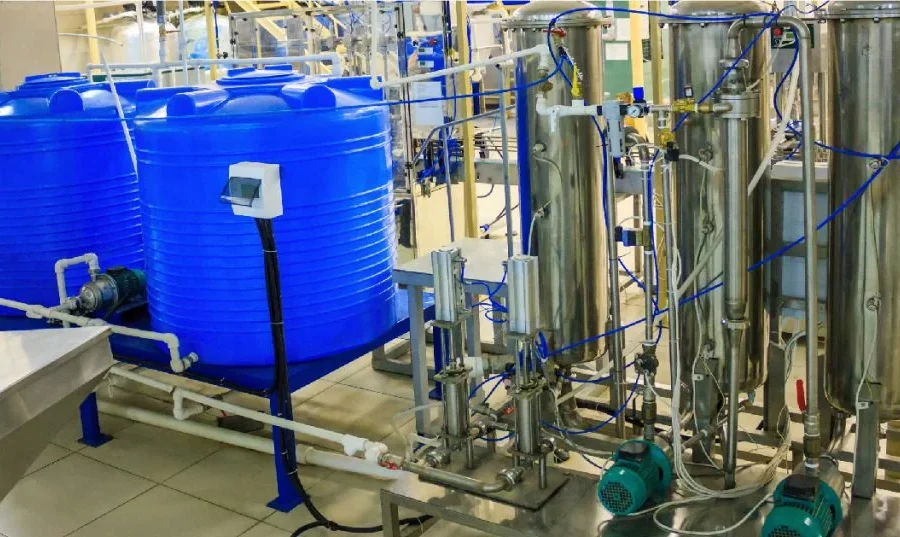
Modern filtration systems, softeners, oxidation technologies, ultraviolet treatment systems, and specialized media filters provide options that simply weren’t available to many homeowners decades ago.
These technologies allow treatment to be more precise and efficient than ever before.
What’s most encouraging is that homeowners no longer have to choose between convenience and performance. Today’s systems can often address specific concerns while requiring relatively little day-to-day attention.
That’s good news for busy families who already have enough on their plates.
Looking at the Bigger Picture
Water quality improvements often create benefits that extend beyond the original problem.
A homeowner who installs treatment to address staining may also notice improved appliance performance. Someone focused on drinking water quality may discover that laundry feels better and cleaning becomes easier.
These ripple effects are surprisingly common.
When water functions the way it should, many everyday tasks simply become less frustrating. Appliances work more efficiently. Maintenance demands decrease. Household routines feel smoother.
It’s one of those improvements that doesn’t always seem dramatic until you’ve experienced it firsthand.
Better Water Creates Better Experiences
The phrase better water can mean different things to different people.
For some, it means improved taste. For others, it’s softer laundry, cleaner dishes, fewer stains, or greater confidence in what’s coming out of the tap.
Whatever the definition, the goal remains the same: making everyday life easier.
Water is something we interact with dozens of times every single day. Even small improvements can have a meaningful impact because those improvements are experienced repeatedly.
That’s part of what makes water quality investments so worthwhile for many homeowners.
The benefits don’t appear once. They show up over and over again.
Knowledge Is the Best Starting Point
Before purchasing equipment or making treatment decisions, it’s worth taking the time to learn about your water.
Testing provides clarity. Professional guidance offers direction. Together, they help eliminate uncertainty and make decision-making far more straightforward.
The process doesn’t need to be complicated.
In many cases, understanding the source of a problem is the hardest part. Once that information is available, finding an effective solution becomes much easier.
Final Thoughts
Water is one of the most important resources in any home, yet it’s often taken for granted until something goes wrong. Whether the concern involves taste, odor, staining, or general performance, water quality affects far more aspects of daily life than most people initially realize.
The encouraging news is that solutions exist for nearly every type of water challenge. The key is approaching those challenges thoughtfully, starting with accurate information and a clear understanding of the water itself.
At the end of the day, good water should work quietly in the background. It should support your routines, protect your home, and provide confidence every time you turn on the faucet. And when that happens, life tends to feel just a little bit easier.


 01 / NEXT
 02 / NEXT
 03 / NEXT