There’s a strange but fascinating idea gaining ground right now — the idea that you can create a living, breathing digital version of something that exists in the real world. Not just a static model, but something that evolves, reacts, and even predicts what might happen next.
It sounds futuristic, but it’s already here. And it’s called digital twins.
At first, it feels a bit abstract. Why would anyone need a “digital copy” of a machine, a building, or even an entire city? But the more you think about it, the more it starts to make sense — especially when things get complex, expensive, or risky.
What Exactly Is a Digital Twin?
Let’s strip away the jargon.
A digital twin is basically a virtual replica of a physical object or system. It could be a factory machine, a production line, a power grid, or even a whole urban area. Sensors in the real world collect data — temperature, pressure, movement, performance — and feed it into this digital version.
The result? A model that doesn’t just sit there. It moves, changes, and reflects real-time conditions.
It’s like having a mirror… but one that can also show you the future.
Why It’s Becoming So Relevant
Modern systems are complicated. Factories run 24/7. Cities deal with traffic, pollution, energy consumption, and infrastructure challenges — all at once.
Managing all this in the real world alone is tough. Mistakes can be expensive. Sometimes even dangerous.
Digital twins offer a safer space to experiment. You can test changes, predict failures, and optimize performance without actually touching the physical system.
That’s a big deal.
The Question That Naturally Comes Up
As this technology starts popping up in conversations, especially around smart cities and Industry 4.0, one question keeps coming up:
Digital twins technology manufacturing aur cities me kaise use ho rahi h?
It’s a valid question — because the applications aren’t just theoretical anymore. They’re already shaping how things operate behind the scenes.
Digital Twins in Manufacturing
Manufacturing is probably where digital twins have found their strongest footing so far.
Imagine a factory where every machine has a digital counterpart. If something starts to wear out or behave differently, the digital twin can detect it early — sometimes before the human eye notices anything.
This leads to predictive maintenance. Instead of waiting for a breakdown, companies can fix issues in advance. Less downtime, fewer surprises, better efficiency.
It also helps in design and testing. New products or processes can be simulated digitally before being implemented physically. That reduces risk and speeds up innovation.
How Cities Are Using Digital Twins
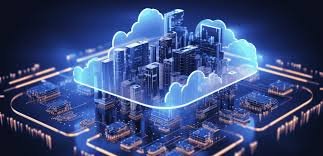
Now, take that concept and scale it up — to an entire city.
Urban planners are beginning to use digital twins to model traffic flow, energy usage, water distribution, and even emergency responses. It’s like having a sandbox version of the city where you can test decisions before making them real.
For example, what happens if a new road is introduced? Or if a certain area experiences heavy rainfall? The digital twin can simulate outcomes, helping authorities plan better.
It doesn’t solve every problem, but it adds a layer of foresight that wasn’t easily available before.
The Subtle Benefits People Don’t Notice
Most people won’t directly interact with digital twins. You won’t open an app and say, “Oh, this is powered by a digital twin.”
But you might notice smoother traffic, fewer service disruptions, or better infrastructure planning over time.
That’s the thing about this technology — it works quietly in the background, improving systems without drawing too much attention.
Challenges That Still Exist
Of course, it’s not all smooth sailing.
Creating accurate digital twins requires a lot of data — and good data at that. Sensors, connectivity, data processing… it all needs to be reliable.
There are also concerns around cost and implementation. Not every company or city can easily adopt this technology, especially in developing regions.
And then there’s the question of data privacy and security. When you’re collecting real-time information at such a scale, safeguarding it becomes critical.
A Technology Still Finding Its Shape
Digital twins are still evolving. What we’re seeing today is just the beginning.
As AI, IoT, and data analytics continue to improve, these virtual models will become more sophisticated. More accurate. More predictive.
And possibly more integrated into everyday systems than we currently imagine.
Final Thoughts
Digital twins might not be the most talked-about technology in casual conversations, but their impact is steadily growing.
They represent a shift — from reacting to problems to anticipating them. From guesswork to informed decision-making.
Whether it’s a factory floor or a bustling city, the idea of having a digital reflection that helps guide real-world actions is powerful.
And while it may feel a bit futuristic today, chances are, it’s already shaping parts of your world… just quietly, behind the scenes.