There’s something intimate about fashion that’s hard to explain unless you’ve felt it. The way a fabric falls, the story behind a silhouette, the tiny decisions stitched into a piece—it’s never just about clothing. It’s expression, identity, sometimes even rebellion.
So when people started talking about AI designing fashion, it didn’t feel like just another tech upgrade. It felt… personal. Like something deeply human was being questioned.
And yet, here we are.
When Algorithms Start Sketching
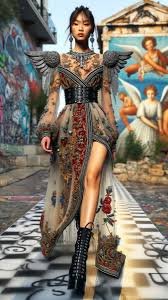
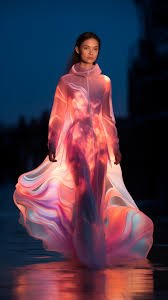
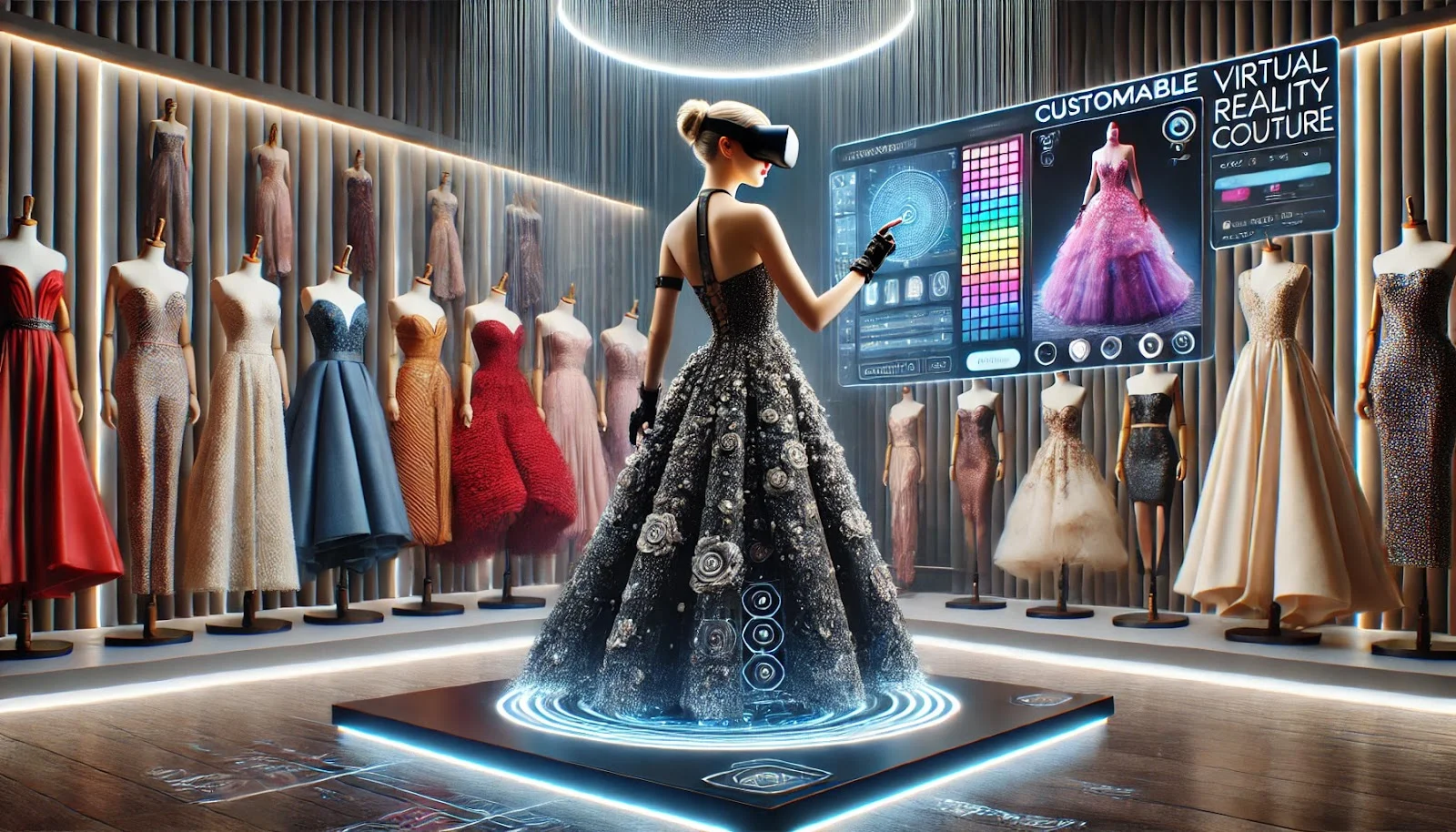
AI-generated fashion designs aren’t science fiction anymore. They’re already being used—by brands experimenting with faster concept creation, by independent designers looking for inspiration, even by students trying to visualize ideas they can’t yet draw.
The process is fascinating. Feed an AI a mix of trends, fabrics, historical references, maybe a few runway images, and it can generate dozens of design variations in seconds. Patterns, textures, color combinations—all layered together in ways that sometimes feel surprisingly fresh.
But also, occasionally, a bit… soulless.
Why the Industry Is Paying Attention
Fashion has always been about timing. Being ahead, but not too ahead. Predicting what people will want before they even realize it themselves. AI, with its ability to analyze massive amounts of data, seems almost built for that.
It can scan global trends, social media patterns, buying behavior—things that would take humans weeks or months to interpret. And it does it instantly.
For fast fashion brands, this is gold. Faster turnaround, lower design costs, more experimentation. It’s efficient, scalable, and, from a business perspective, very tempting.
The Question That Keeps Coming Up
Of course, with all this comes a slightly uncomfortable thought: AI-generated fashion designs kya designers ke jobs ko affect karenge?
It’s a fair question. And honestly, the answer isn’t a simple yes or no.
AI can generate designs, yes. But design isn’t just output—it’s intention. It’s knowing why a certain cut feels right, why a color combination resonates in a particular cultural moment, why a piece tells a story.
AI can mimic patterns. Humans create meaning.
Creativity vs. Computation
One of the biggest differences between AI and human designers lies in how ideas are born.
A designer might be inspired by a memory, a place, a conversation. Something intangible. AI, on the other hand, works with data. It recombines what already exists, finding new patterns within existing frameworks.
That doesn’t make it less useful—it just makes it different.
In fact, many designers are starting to use AI as a tool rather than seeing it as competition. A way to explore variations quickly, to break creative blocks, to push ideas further than they might have on their own.
It’s less about replacement and more about augmentation.
Where AI Falls Short
Despite its capabilities, AI still struggles with nuance.
It doesn’t fully understand cultural context. It can unintentionally blend elements that don’t belong together or miss the deeper significance behind certain styles. In fashion, where symbolism and identity matter, that can be a big limitation.
There’s also the tactile side of design—the feel of fabric, the way something moves on a body. These are things you experience, not just visualize. AI can suggest, but it can’t feel.
And that matters more than we sometimes admit.
A Shift in Skillsets
If anything, AI is changing what it means to be a designer.
Technical skills like sketching might become less central, while conceptual thinking, storytelling, and curation become more important. Designers may spend less time creating from scratch and more time refining, selecting, and shaping AI-generated ideas.
It’s a subtle shift, but a significant one.
And maybe a little uncomfortable at first.
The Human Element That Stays
Fashion, at its core, is about people. How they see themselves, how they want to be seen. That emotional layer isn’t something AI can fully replicate.
A collection inspired by personal experience, by social change, by cultural identity—it carries a weight that goes beyond aesthetics. It connects.
That’s where human designers will always have an edge.
Finding Balance in a Changing Landscape
The future of fashion design probably isn’t about choosing between AI and humans. It’s about finding a balance.
AI can handle speed, variation, and data-driven insights. Humans bring intuition, emotion, and meaning. Together, they can create something that’s both efficient and expressive.
But it requires intention. Thoughtful use of technology, rather than blind adoption.
A Quiet Evolution, Not a Sudden Disruption
What’s happening in fashion right now feels less like a disruption and more like an evolution. Gradual, sometimes uneven, occasionally surprising.
Designers aren’t disappearing. They’re adapting. Learning new tools, redefining their roles, figuring out how to stay relevant in a world that’s changing faster than expected.
And maybe that’s always been part of the job.
Fashion has never stood still. It shifts, it responds, it reinvents itself. This is just the latest chapter—one where algorithms and artistry learn to coexist.
Not perfectly. But perhaps, eventually, quite beautifully.