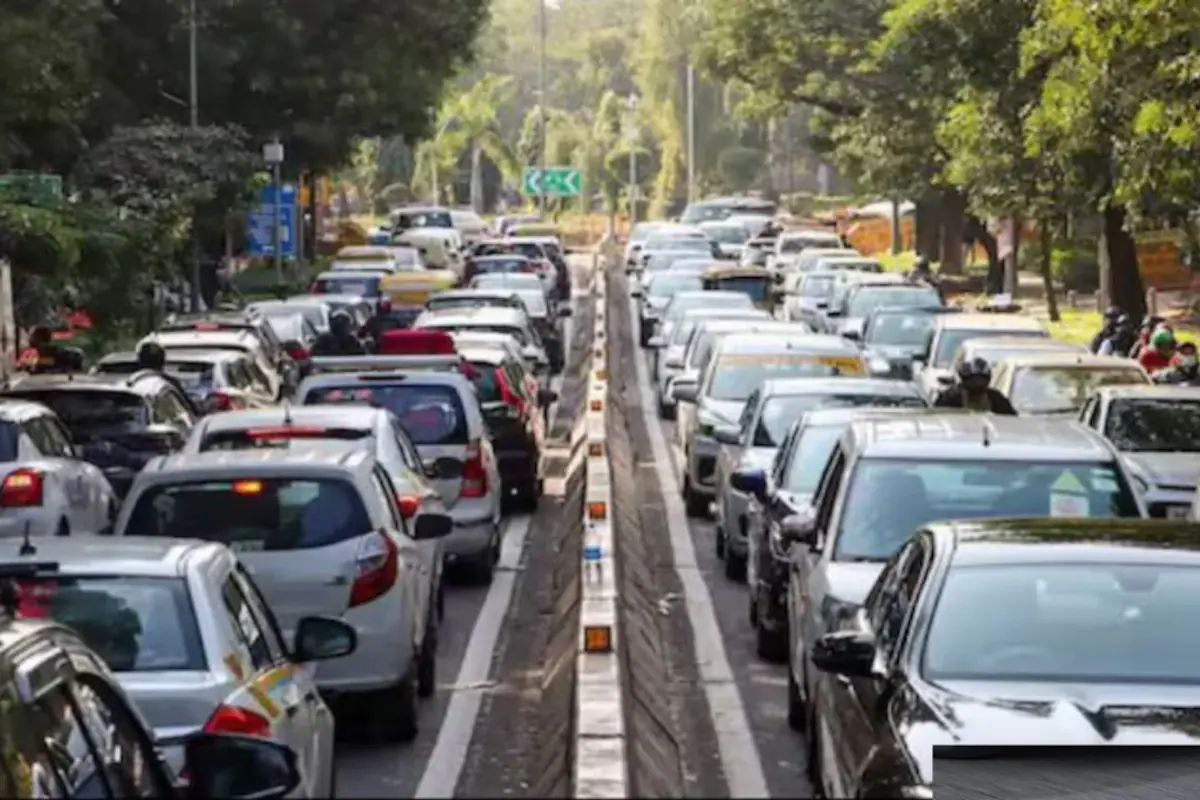
There’s a certain restlessness in India’s mobility story right now. You can feel it in rising fuel prices, in the buzz around electric vehicles, and in conversations that casually drift toward “what’s next?” Somewhere in the middle of all this, flex-fuel vehicles have quietly entered the discussion. Not with the loud hype of EVs, but with a kind of grounded practicality that’s hard to ignore.
At first glance, the idea sounds simple—vehicles that can run on more than one type of fuel, typically petrol blended with ethanol. But like most things in India, the reality is layered. It’s not just about technology; it’s about infrastructure, agriculture, policy, and yes, everyday affordability.
What Exactly Are Flex-Fuel Vehicles?
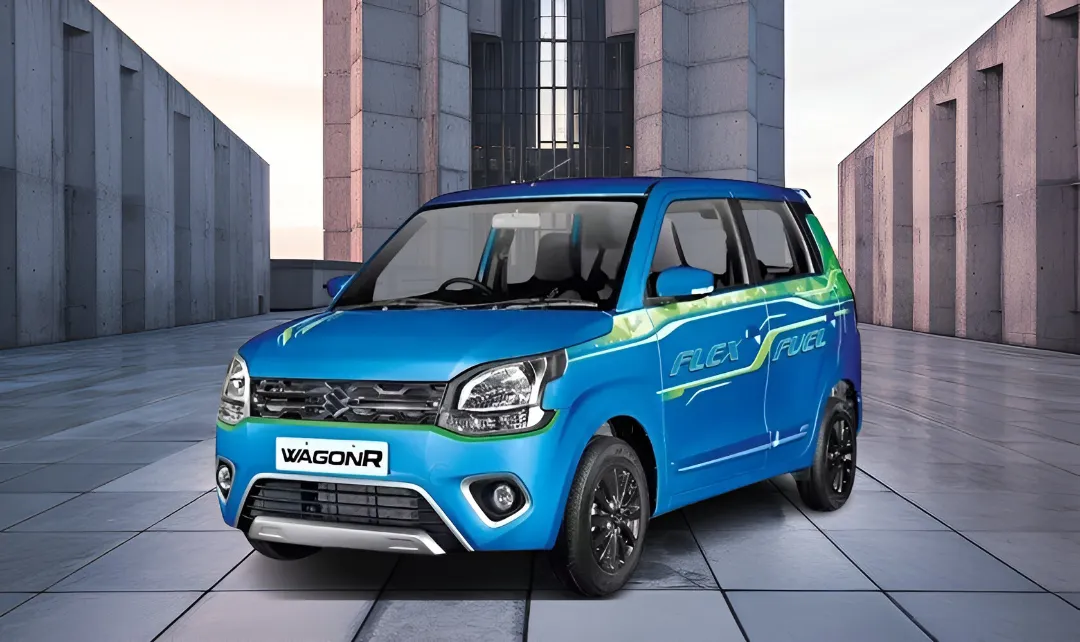
Flex-fuel vehicles (FFVs) are designed to operate on varying blends of petrol and ethanol, sometimes up to 85% ethanol (E85). The engine adjusts automatically based on the fuel mixture. No complicated switches, no major changes in driving habits. You fill the tank and go.
Globally, countries like Brazil have already embraced this model quite successfully. Their ecosystem—from sugarcane farming to ethanol production—supports it. India, interestingly, shares some similarities in terms of agricultural capacity. Which makes the whole conversation feel a bit more… possible.
Why India Is Even Considering This Shift
The push toward flex-fuel vehicles in India isn’t random. It’s tied to a few very real challenges.
First, fuel imports. India imports a significant chunk of its crude oil, which puts pressure on the economy. Ethanol, on the other hand, can be produced domestically—often from sugarcane or agricultural waste. That’s a big deal.
Second, emissions. While ethanol isn’t completely “clean,” it burns more efficiently than petrol and can reduce certain pollutants. It’s not a perfect solution, but it’s a step.
And then there’s the farmer angle. Increased ethanol production could potentially create more demand for crops, offering an additional revenue stream for farmers. It’s one of those rare scenarios where mobility and agriculture intersect.
The Ground Reality: Not So Simple
Still, let’s not romanticize it too much. India’s transition to flex-fuel isn’t going to be overnight—or even smooth.
For starters, infrastructure is a bottleneck. Ethanol blending at fuel stations isn’t yet widespread. While the government has pushed for E20 (20% ethanol blending), higher blends like E85 will require a much stronger distribution network.
Then there’s the cost factor. Flex-fuel vehicles might be slightly more expensive upfront due to modifications in engine components. For a price-sensitive market like India, even a small increase matters.
And honestly, there’s also a bit of consumer hesitation. People are still trying to wrap their heads around EVs. Adding another “alternative” into the mix can feel confusing.
Can Flex-Fuel Vehicles Replace Petrol Completely?
This is where things get interesting—and a bit nuanced.
The short answer? Probably not entirely. At least not anytime soon.
The longer answer is better captured in the question many people are already asking: India me flex-fuel vehicles ka future kya h aur kya ye petrol ko replace kar sakte h?
Flex-fuel vehicles are more likely to complement petrol rather than replace it. Think of them as a transitional technology—bridging the gap between traditional fossil fuels and cleaner alternatives.
EVs might dominate in urban areas over time, especially for short-distance travel. But for long-distance driving, rural connectivity, and regions where charging infrastructure is still a dream, flex-fuel vehicles could play a crucial role.
In a country as diverse as India, there’s rarely a one-size-fits-all solution. And maybe that’s okay.
Policy Push and Industry Response
The Indian government has been fairly vocal about promoting ethanol blending. Targets have been set, timelines announced, and incentives introduced. Automakers, too, are beginning to respond.
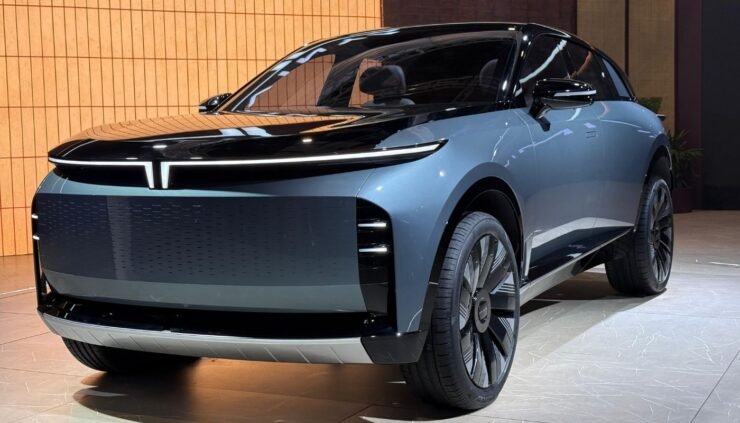
Some manufacturers have already showcased flex-fuel prototypes. Others are quietly investing in research and development. It’s not a full-blown race yet, but you can sense the momentum building.
What’s interesting is how this aligns with India’s broader energy strategy—diversification rather than dependence. Instead of betting everything on one technology, the approach seems to be… spread the risk, explore multiple paths.
The Consumer Perspective
For the average car buyer, though, the decision will come down to a few simple questions:
Is it affordable?
Is fuel easily available?
Will it save me money in the long run?
If flex-fuel vehicles can tick these boxes, adoption will follow. Not instantly, not dramatically—but steadily.
There’s also an emotional layer here. Indians tend to stick with what works. Petrol cars have been reliable, familiar. Convincing people to shift requires more than just logic; it needs trust.
A Future That Feels Hybrid—In More Ways Than One
Maybe the future of Indian mobility isn’t about replacing one fuel with another. Maybe it’s about coexistence.
Petrol, ethanol blends, electric power—each serving different needs, different geographies, different lifestyles. It’s a bit messy, sure. But it’s also realistic.
Flex-fuel vehicles fit into this picture not as a hero, but as a practical participant. Quietly doing their job, offering flexibility (quite literally), and easing the transition toward something cleaner.
And in a country where change often happens gradually, sometimes that’s exactly what you need.