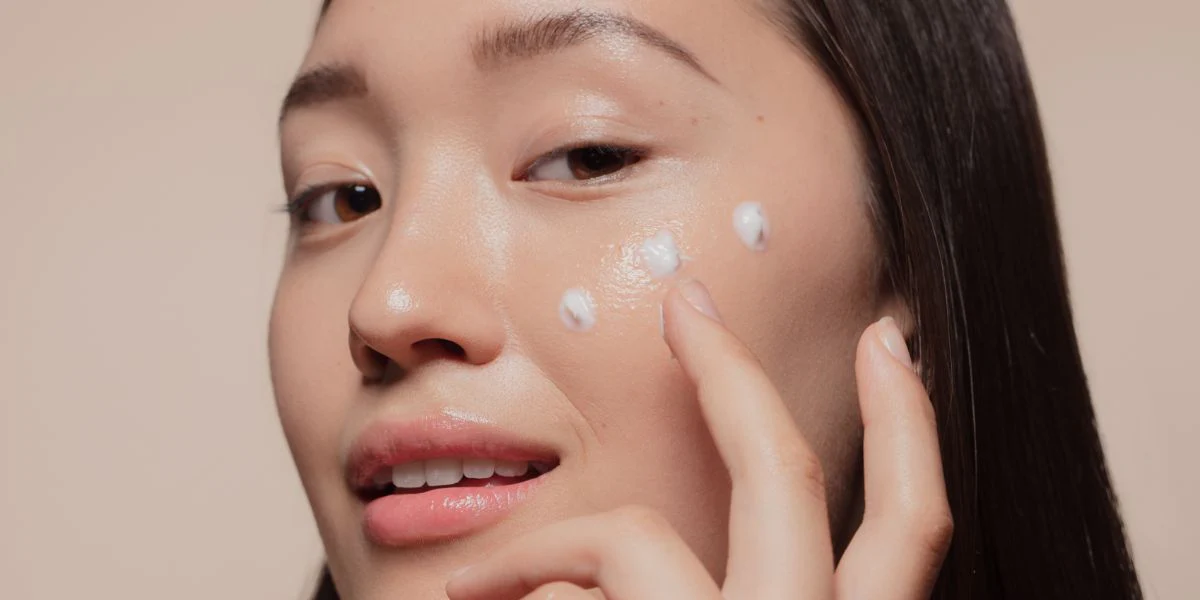

There’s something oddly comforting about opening an app, pointing your camera at your face, and getting instant feedback. No waiting room, no awkward small talk, no guessing whether that new breakout is stress or something else entirely. Just a few seconds, and boom — analysis done.
AI-powered skin analysis apps have quietly slipped into everyday routines. People use them before buying skincare, tracking acne, or even just out of curiosity. But here’s the thing — convenience doesn’t always equal accuracy. And somewhere between those polished app interfaces and real human skin lies a gap worth exploring.
What These Apps Actually Do Behind the Scenes
At a basic level, these apps rely on computer vision and machine learning. They scan your face, identify patterns — wrinkles, pores, pigmentation, acne — and compare them against trained datasets. Sounds impressive, and it is.
But it’s also a bit like comparing your face to millions of others and then making a calculated guess. A very fast, data-driven guess.
Lighting, camera quality, even your angle can influence results. One day your skin looks “hydrated,” the next day “dehydrated,” and you didn’t really change anything. That’s not your skin being dramatic — that’s the tech struggling with variables.
The Accuracy Question Everyone’s Asking
Let’s not dodge it.
AI-powered skin analysis apps kitne accurate h real-life me? It’s a fair question, and honestly, the answer isn’t black and white.
For surface-level issues — like visible acne, redness, or dark spots — these apps can be surprisingly decent. They’re quick to detect patterns that are clearly visible. In that sense, they act like a second pair of eyes.
But when it comes to deeper concerns — hormonal acne, underlying skin conditions, sensitivity triggers — the accuracy drops. These apps don’t know your lifestyle, your stress levels, your diet, or your medical history. And skin, as we know, is rarely just surface-deep.
Where They Actually Shine
Despite their limitations, these apps aren’t useless. Far from it.
They’re great for tracking progress over time. If you’re following a skincare routine, the app can show subtle improvements (or setbacks) that you might miss in daily mirror checks. It creates a sort of visual diary of your skin.
They’re also helpful for beginners. Someone who doesn’t know where to start can get a rough idea of their skin type and basic concerns. It’s not perfect advice, but it’s better than blindly trying random products.
The Risk of Over-Trusting Technology
Here’s where things get a bit tricky.
There’s a growing tendency to treat these apps like authority figures. If the app says your skin barrier is damaged, suddenly you’re buying three new serums. If it says “fine lines detected,” you start panicking about aging overnight.
But these are tools, not experts.
They don’t replace dermatologists. They don’t diagnose conditions. And they definitely don’t understand your skin in the way a professional can. Over-reliance can lead to unnecessary spending, or worse, using products that don’t suit you at all.
Real-Life vs Digital Reality
In real life, skin changes constantly. Weather, sleep, hydration, hormones — everything plays a role. An app captures a moment, not the full story.
And sometimes, that snapshot can be misleading.
You might wake up tired, scan your face, and the app flags dullness or uneven tone. But that’s not necessarily a skin issue — it’s just a rough morning. The danger is when we start reacting to every small digital observation as if it’s a long-term problem.
So, Should You Use Them?
Yes — but with a bit of awareness.
Think of these apps as assistants, not decision-makers. They’re useful for insights, tracking, and maybe even motivation to stick to a routine. But they shouldn’t dictate your entire skincare strategy.
If something persistent or serious shows up, nothing beats consulting a real dermatologist. That human layer — conversation, questions, context — is still irreplaceable.
The Future Looks Smarter (But Not Perfect)
AI is evolving fast. With better datasets, improved algorithms, and maybe even integration with wearable health data, these apps will get more accurate over time.
But perfection? That’s unlikely.
Skin is personal. It’s influenced by too many variables to be fully decoded by an app — at least for now.
Final Thoughts
There’s no denying the appeal. AI skin apps are quick, accessible, and sometimes genuinely helpful. But they exist in a space between convenience and complexity.
Use them, sure. Experiment, explore, even have a little fun with them. Just don’t let them override your own understanding of your skin — or your common sense.
Because at the end of the day, your skin isn’t just data on a screen. It’s living, changing, reacting… and occasionally, just having an off day like the rest of us.