Most homeowners think about water only when something feels wrong. A faucet starts losing pressure. The shower leaves skin feeling dry. Dishes come out cloudy. The kettle collects a chalky layer that refuses to disappear. These little signs can feel unrelated at first, but often they point back to the same quiet issue: the water moving through the house every day.
Water is not just something we drink. It runs through appliances, fixtures, pipes, showers, sinks, and laundry rooms. When the water carries too many minerals, sediment, chlorine, iron, or other unwanted elements, the whole home can feel harder to maintain.
Why Water Affects the Whole House
The plumbing system is like the hidden highway of a home. It carries water to nearly every important space, usually without much attention. But when that water contains minerals or particles, the pipes and fixtures feel the effects over time.
Scale can build inside small openings. Sediment can collect in filters and valves. Chlorine can affect taste and smell. Iron can stain sinks and tubs. Even if the water looks clear, it may still be creating problems behind the walls.
That is why water problems are not always just “tap water problems.” They can become whole-home issues.
The Signs Are Often Easy to Miss
Water issues rarely begin dramatically. They usually show up in small, everyday annoyances. Soap may not lather well. Laundry may feel stiff. Shower glass may turn cloudy. Faucets may develop white crust. Coffee may taste flat. A dishwasher may leave spots on glasses even after a full cycle.
These things are easy to blame on appliances, cleaners, or old fixtures. Sometimes those are part of the story, but not always. If the same problems keep coming back in different areas of the house, the water itself deserves attention.
Why Testing Gives Real Answers
Guessing about water is risky because different problems need different answers. A filter may improve taste but do nothing for hardness. A softener may reduce mineral buildup but not address odor. A sediment filter may catch particles but not solve chemical taste or staining.
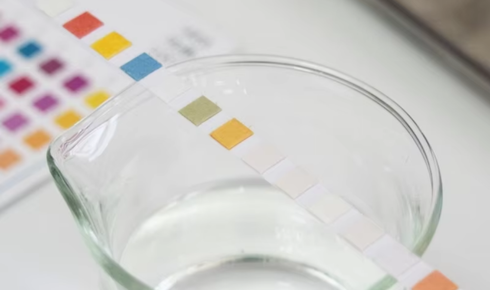
A proper test helps identify the real condition of the water. Good water quality depends on understanding what is actually present, whether that means hardness, chlorine, iron, sediment, pH concerns, bacteria, or something else.
Once the water is tested, homeowners can make better decisions instead of buying equipment based on guesswork.
City Water and Well Water Need Different Thinking
City water is treated before it reaches the home, but that does not mean it always tastes or feels ideal. Chlorine taste, mineral hardness, aging pipes, and local distribution conditions can still affect what comes out of the tap.
Well water is more personal. Homeowners with private wells are usually responsible for testing and maintenance. Wells may face iron, sulfur odor, sediment, hardness, bacteria, or naturally occurring contaminants. Conditions can change over time because of weather, groundwater movement, nearby land use, or aging equipment.
Neither source should be judged by appearance alone. Clear water can still carry hidden concerns.
How Poor Water Can Stress Appliances
Water heaters, dishwashers, washing machines, ice makers, coffee machines, and humidifiers all depend on water. If that water contains minerals or sediment, appliances may work harder than they should.
A water heater can collect scale, reducing efficiency. A dishwasher may struggle to rinse dishes properly. A washing machine may leave clothes feeling rough. Coffee makers may need frequent descaling. These problems do not always cause immediate failure, but they can slowly reduce performance.
Better water can help appliances work with less strain and may reduce some avoidable maintenance.
Matching the Solution to the Problem
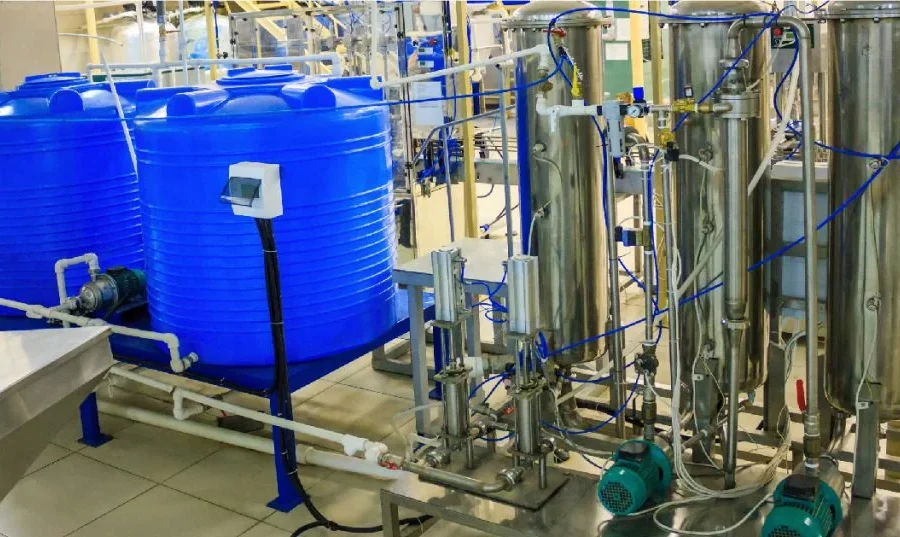
The best treatment solutions are chosen after the water is understood. If hardness is the main issue, a water softener may help. If taste and odor are concerns, filtration may be useful. If drinking water is the priority, a reverse osmosis system may make sense. If bacteria are found in well water, disinfection may be needed.
Some homes need only one type of system. Others need a combination. The right setup depends on the water source, household size, plumbing, daily use, and long-term maintenance needs.
The goal is not to install the biggest system. It is to solve the real problem.
Better Water Makes Daily Life Easier
When water improves, the benefits often feel surprisingly practical. Showers feel fresher. Soap rinses cleaner. Glassware looks clearer. Faucets stay cleaner longer. Laundry feels softer. Coffee tastes better. People may use fewer plastic bottles because tap water becomes more enjoyable.
These are not flashy improvements, but they are felt every day. A home becomes easier to clean, easier to maintain, and more comfortable to live in.
Sometimes the best home upgrades are the ones working quietly in the background.
Maintenance Matters After Installation
A water treatment system is not something to install and forget forever. Filters need replacement. Softeners need salt. UV lamps, if used, need scheduled changes. Systems should be serviced according to the water conditions and household usage.
Good maintenance keeps the system performing the way it should. It also helps homeowners get better long-term value from the investment.
A reliable provider should explain maintenance clearly before installation, not after problems appear.
A Smarter Way to Care for the Home
Water touches almost every part of daily life. It affects drinking, cooking, bathing, laundry, cleaning, plumbing, and appliances. When something seems off, it is worth looking deeper instead of accepting the same problems year after year.
A simple test can turn vague frustrations into clear information. From there, the right treatment plan can help the home work better and feel better.
Good water is not just about what comes out of the glass. It is about protecting the home, improving comfort, and making everyday routines a little smoother.