There’s something easy to take for granted about water at home. Turn on the tap, and there it is. Clear, convenient, and usually dependable. But for households that rely on a private well or groundwater source, getting that water from the earth to the kitchen sink is a little more involved.
A good water supply depends on several moving parts working together: the well, pump, storage equipment, plumbing, filtration, and pressure controls. When one piece starts struggling, you may notice weak showers, noisy pipes, cloudy water, or a pump that seems to run far too often.
Understanding how these systems work can make those problems less mysterious — and can help homeowners make smarter decisions about maintenance and upgrades.
How a Well Water System Works
A private well draws groundwater from an underground aquifer and moves it into the home through a pump. From there, the water travels through plumbing fixtures and, depending on its quality, may pass through one or more treatment devices.
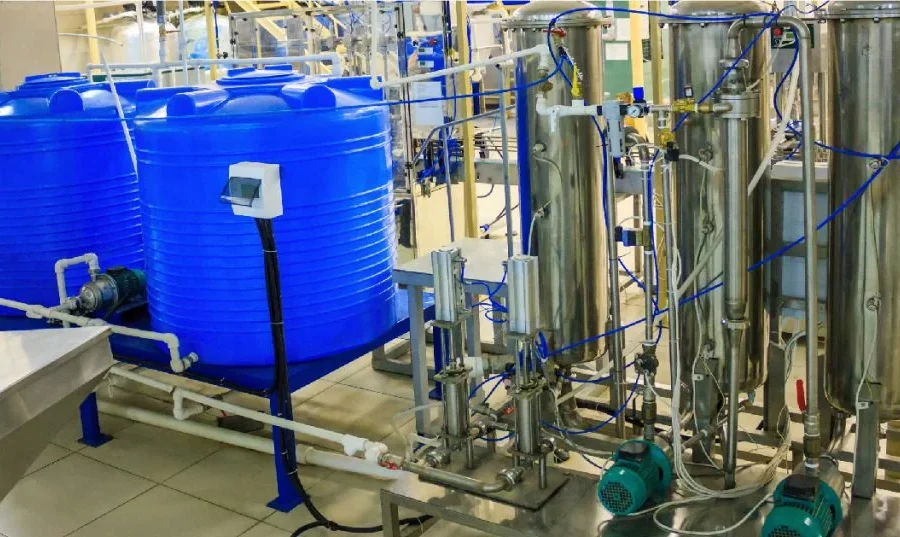
Modern well water systems can vary quite a bit. Some homes have relatively simple setups with a well pump and pressure tank. Others use sediment filters, water softeners, iron removal equipment, UV treatment, or other filtration technologies.
The important thing is that there isn’t one universal setup for every property. Groundwater chemistry can change from one neighborhood to the next, and sometimes even between nearby wells.
That’s why testing the water before choosing treatment equipment is such a sensible starting point. You don’t want to buy a system simply because it worked well for your neighbor.
Why Water Pressure Matters
Water pressure is one of those things you don’t really think about until it disappears.
A weak shower, slow-filling toilet, or faucet that barely produces a stream can make everyday life surprisingly annoying. In a private well, pressure is closely connected to the pump, pressure switch, plumbing, and storage equipment.
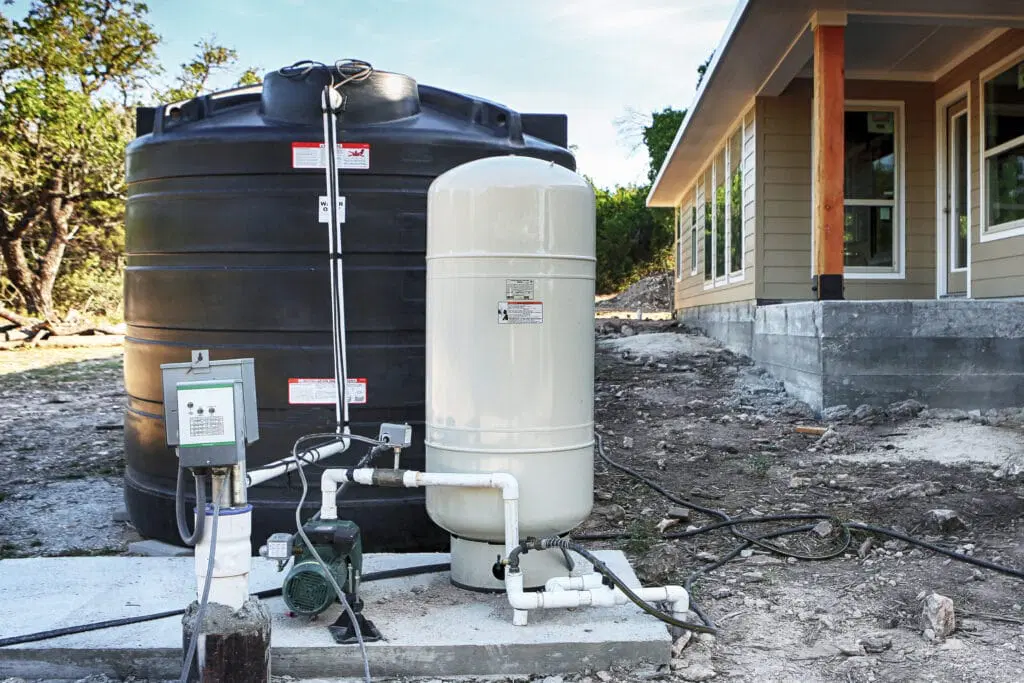
Pressure tanks play an important role here. Instead of requiring the well pump to start every time someone opens a faucet, the tank stores pressurized water and helps the system deliver it when demand begins.
This reduces unnecessary pump cycling, which can help protect the pump from excessive wear. A properly sized and maintained tank can also make household water pressure feel more consistent.
If the pressure suddenly changes, though, don’t automatically assume the tank is the culprit. A clogged filter, failing pressure switch, damaged pipe, or pump problem could create similar symptoms.
The Role of Groundwater
Groundwater may look perfectly clean when it comes out of a faucet, but appearance doesn’t tell the whole story.
Depending on local geology, groundwater can contain minerals such as calcium, magnesium, iron, and manganese. Some wells may also have naturally occurring sulfur compounds that create that familiar rotten-egg smell. In other areas, concerns may involve bacteria, nitrates, or other contaminants.
This is where groundwater systems need a little more attention than a typical municipal water connection. Homeowners are generally responsible for understanding and maintaining their private water supply.
Regular testing provides useful information about what’s actually in the water. It can also prevent the common mistake of treating a problem that isn’t there while overlooking one that is.
For example, water that leaves orange stains may suggest iron, while chalky deposits around faucets often point toward hard water. Those clues are useful, but laboratory testing gives you a much clearer picture.
Common Problems Homeowners Notice
Private well systems tend to give warning signs before a major failure, although not always.
Watch for things like:
- Sudden drops in water pressure
- A pump that turns on and off repeatedly
- Air sputtering from faucets
- Unusual noises near the pressure tank or pump
- Muddy or cloudy water
- Persistent odors
- Reduced water flow
- Water stains caused by minerals
- A noticeable change in taste
A pump that runs constantly deserves particular attention. It could indicate a leak, insufficient water supply, a failing pump, or a pressure-control problem.
Ignoring these symptoms isn’t a great bargain. A small issue can sometimes become an expensive repair when left alone for too long.
Keeping the System Healthy
Maintenance doesn’t have to be complicated, but it does need to happen.
Start by having the well water tested according to local recommendations and whenever there is a noticeable change in taste, color, odor, or appearance. Keep records of test results so you can spot changes over time.
It’s also worth checking the area around the wellhead. The cover should remain secure, and the surrounding ground should be arranged so surface water drains away rather than collecting around the well.
Filters and treatment equipment also need attention. A filter that hasn’t been changed in ages can restrict flow and make the entire system work harder. Likewise, water softeners and other treatment units require periodic servicing to operate properly.
And don’t forget the pressure equipment. A professional can inspect the pressure switch, tank, pump performance, and other components when the system isn’t behaving normally.
Choosing Treatment Based on the Problem
One of the biggest mistakes homeowners make is choosing water treatment equipment first and testing second.
It’s understandable. There are plenty of impressive-looking systems available, and the promise of cleaner, better-tasting water is appealing. But treatment should match the actual water chemistry.
Hard water may call for a softener. Sediment can often be addressed with appropriate filtration. Iron and sulfur problems may require specialized treatment. Microbiological concerns can involve disinfection technologies.
In some cases, a combination of solutions makes sense. In others, a simple filter may be enough.
The right approach is less about buying the most sophisticated equipment and more about solving the specific problem efficiently.
When Professional Help Makes Sense
Some basic maintenance can be handled by homeowners, but well and groundwater equipment isn’t always a good place for guesswork.
If you’re dealing with electrical components, a failing pump, unexplained pressure changes, contamination concerns, or repeated system breakdowns, getting professional assistance is usually the safer route.
A qualified technician can evaluate the entire setup rather than replacing one component at random. That’s valuable because well equipment works as a system. Changing one part can affect pressure, flow, or pump cycling elsewhere.
Professional inspection is particularly useful when purchasing a property with a private well. A house can look perfect while the well system is nearing the end of its useful life.
A Little Attention Goes a Long Way
A private water supply gives homeowners something many people don’t have: direct control over where their household water comes from and how it’s treated. But that independence comes with responsibility.
The best systems aren’t necessarily the most complicated ones. They’re the ones that are properly sized, regularly maintained, and matched to the home’s actual water conditions.
Pay attention to changes in pressure, taste, smell, and appearance. Test the water when appropriate. Keep pumps and treatment equipment maintained. And when something seems off, don’t wait for a complete failure before investigating.
Water is one of those household essentials that’s easy to ignore when everything works. A little attention behind the scenes, though, can keep that simple turn of the faucet feeling simple for years to come.