Water is one of those things we rarely think about until something seems off. Maybe your morning coffee tastes a little strange, the shower leaves your skin feeling dry, or white marks keep appearing around the kitchen faucet no matter how often you clean it. These everyday annoyances can make you wonder whether your home’s water could be better.
The good news is that improving water quality doesn’t always require a complicated overhaul. Sometimes, the right filtration system or a few practical changes can make a noticeable difference. The important part is understanding what’s causing the problem before spending money on equipment that may not suit your needs.
Better-Tasting Water Starts With Understanding the Cause
Most people want water that tastes fresh and smells clean. When tap water develops an unpleasant flavor or odor, it’s natural to reach for bottled water or look for a filter. But taste and smell can be influenced by several factors, including disinfectants, naturally occurring minerals, plumbing materials, and conditions within the local water supply.
A properly selected filtration system improves taste and odor by reducing certain substances responsible for unwanted flavors and smells. Activated carbon filters, for example, are commonly used to reduce chlorine taste and odor. However, no single filter removes every possible contaminant, and performance depends on the specific product and how it’s maintained.
If the change in your water is sudden, don’t assume a household filter will solve everything. Contact your water supplier or a qualified water professional to discuss the issue. A sudden chemical smell, unusual discoloration, or persistent unpleasant taste may deserve further investigation, particularly if several neighbors notice the same thing.
For households using private wells, periodic testing is especially important because water quality can change over time. Testing helps identify what is actually present, making it easier to choose treatment based on evidence rather than guesswork.
Hard Water Can Leave More Than Just Stains
Have you ever noticed cloudy glassware straight out of the dishwasher or a chalky ring around the bathroom tap? These are familiar signs of hard water. Hard water contains higher levels of dissolved minerals, particularly calcium and magnesium. Although these minerals are not generally considered a health concern at typical drinking-water levels, they can create maintenance headaches around the house.
Over time, mineral deposits can collect inside showerheads, faucets, water heaters, and other equipment. This buildup may interfere with normal operation and make cleaning more time-consuming. It’s frustrating to scrub the same area repeatedly, only to see the white marks return a few days later.
A suitable water softener reduces mineral buildup by removing or exchanging the hardness minerals responsible for scale. The result may be easier cleaning, less scale on fixtures, and better performance from certain water-using appliances. The benefits depend on the water’s hardness, the equipment selected, and whether the system is correctly installed and maintained.
It’s worth remembering that water softening and water filtration serve different purposes. A softener primarily addresses hardness; it isn’t automatically a solution for bacteria, lead, or every other potential contaminant. If your main concern is drinking-water safety, testing and selecting the right treatment technology should come first.
Choosing a Filter That Fits Your Household
With so many water filters available, shopping can quickly become confusing. There are pitcher filters, faucet-mounted units, under-sink systems, refrigerator filters, whole-house filtration equipment, and reverse osmosis systems. Each option serves a different purpose, so the most expensive model isn’t necessarily the best one for your home.
Start by deciding what you want to improve. If your main concern is the taste of drinking water, a certified carbon filter may be sufficient. If you’re dealing with sediment throughout the house, a point-of-entry filtration system might be worth considering. Where testing identifies a specific contaminant, look for equipment independently certified to reduce that substance under stated conditions.
Read the product specifications carefully. Check the filter’s expected lifespan, replacement cost, flow rate, and installation requirements. Some systems require professional installation, while others can be fitted with basic household tools. Also, confirm that replacement cartridges will remain available; a good system becomes less useful if maintaining it is difficult or expensive.
Certifications can help you compare products, but they need to match your goal. A filter certified for chlorine reduction, for instance, should not be assumed to remove lead or microorganisms unless the product documentation specifically supports that claim.
Reducing Reliance on Single-Use Bottles
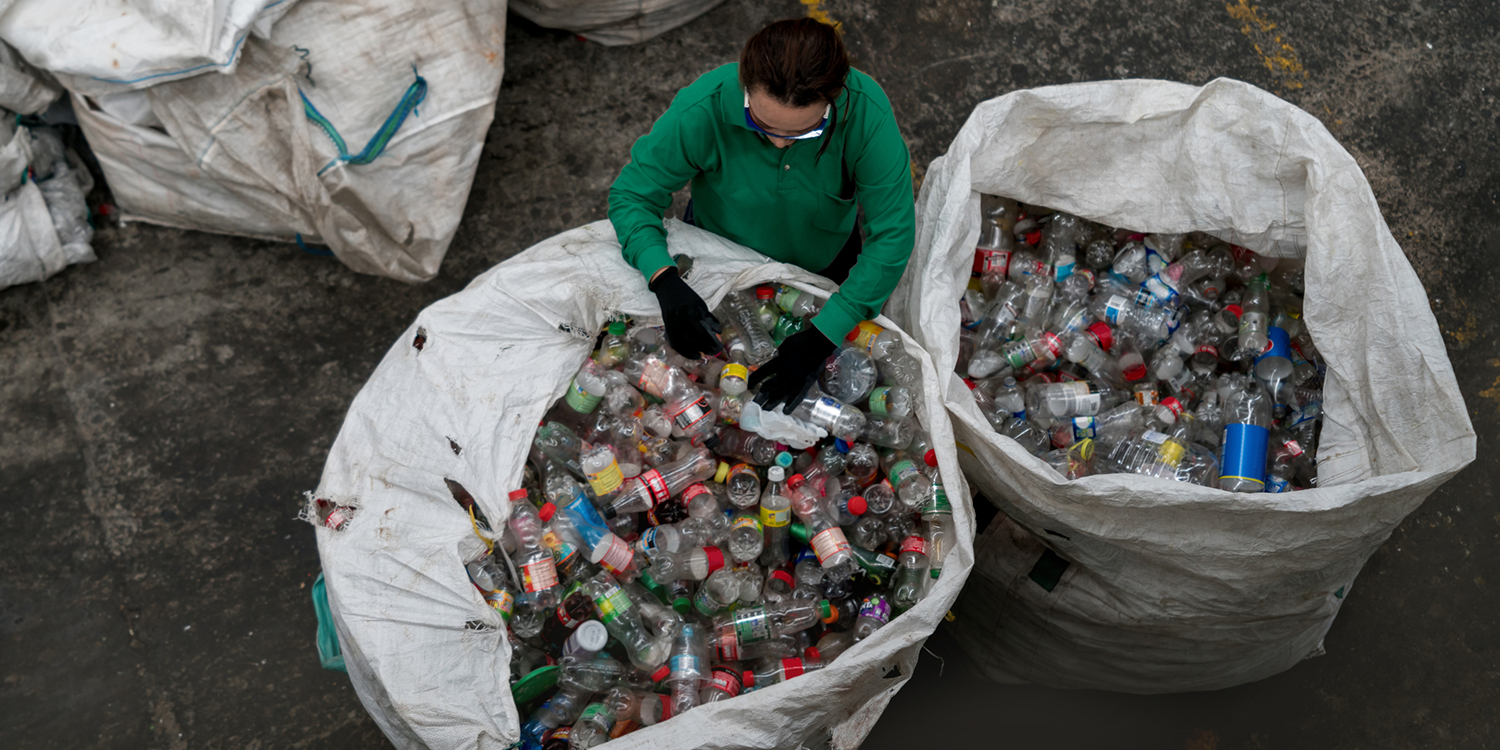
Bottled water can be convenient when you’re traveling or away from a reliable drinking-water source. At home, however, buying bottles week after week can create unnecessary expense and a steady stream of packaging. Even recyclable bottles require resources to manufacture, transport, collect, and process.
For households with safe tap water, a properly maintained reusable bottle and suitable filtration system can help reduces plastic waste by making refillable drinking water a practical everyday choice. Over time, this may also cut down on the number of bottled-water purchases a family makes.
The environmental benefit depends on how the system is used. Filters have their own packaging and replacement requirements, and not all local recycling programs accept every type of cartridge. Follow the manufacturer’s instructions for disposal, and check whether a cartridge return or recycling program is available.
There’s no need to make the change complicated. Keep a reusable bottle near your work bag, place a jug of filtered water in the refrigerator, or give each family member a bottle they actually enjoy using. Small routines are usually easier to maintain than ambitious plans that require constant effort.
Don’t Forget About Filter Maintenance
Even a high-quality filtration system needs attention. Filters gradually collect the substances they’re designed to reduce, and their performance may decline when cartridges are used beyond their recommended lifespan. Depending on the system, an overdue replacement can also restrict water flow or affect taste.
Set a reminder when a new cartridge is installed, and keep a note of the model number so you can order the correct replacement. If your system includes a filter-change indicator, use it alongside the manufacturer’s schedule rather than treating it as a substitute for all maintenance guidance.
Pay attention to changes in pressure, unusual noises, leaks, or a return of the taste and odor you originally wanted to address. These signs may indicate that a filter needs replacement or that another part of the system requires inspection.
If you use a water softener, check the salt level and follow the recommended servicing schedule. Whole-house systems may need periodic inspections, while reverse osmosis units can require several different filter replacements and occasional membrane servicing. Keeping up with these tasks protects your investment and helps the equipment perform as intended.
Make Water Quality a Practical Part of Home Care
Better water isn’t simply about buying a product and hoping for the best. It’s about understanding your household’s needs, identifying the cause of a problem, and choosing a solution that makes sense for your budget and daily routine.
Start with the basics: notice changes in taste, smell, and appearance; arrange appropriate testing when necessary; and compare treatment systems based on verified performance. Once you’ve chosen a system, maintain it consistently and keep track of replacement schedules.
The difference may seem small at first. Cleaner-tasting drinking water, fewer stubborn mineral marks, and less dependence on disposable bottles can gradually make everyday life more convenient. And when a solution is selected for the right reasons, you can feel more confident about the water your household uses day after day.