Water is easy to take for granted until it starts giving you reasons not to. A strange taste in the morning glass. Spots on dishes that were supposed to come out clean. A shower that leaves your skin feeling tight. Maybe even a faint smell from the tap that makes you pause for a second before filling the kettle.
Most homeowners don’t want to become water experts. They just want water that feels clean, tastes right, and works well with the rest of the home. Fair enough. But getting there usually starts with understanding what’s actually coming through the pipes. Not guessing. Not buying the first filter on a shelf. Really knowing.
The hidden clues in everyday water
Water problems often show up in small, almost boring ways. White scale around fixtures. Rust-colored stains in sinks. Cloudy ice cubes. Laundry that feels rough. Coffee that tastes dull even when the beans are good. These signs may not feel urgent, but they can point to minerals, sediment, chlorine, iron, or other issues in the supply.
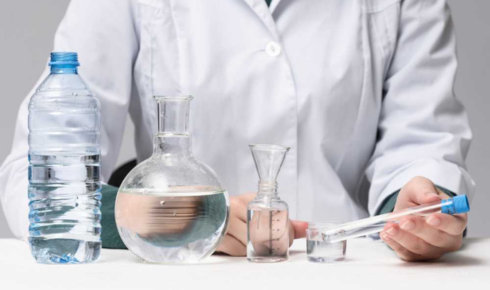
This is where expert water testing matters. A proper test helps identify the cause behind the symptoms, so homeowners are not left trying random fixes. It turns “something feels off” into useful information. And honestly, that can save a lot of time, money, and frustration.
Why one solution rarely fits every home
Every home has its own water story. A house on municipal water may deal with chlorine taste or hardness. A well-water property might face iron, sulfur odors, sediment, or pH concerns. Older plumbing can add another layer of complication. Even two homes on the same street can have slightly different water experiences.
That’s why tailored solutions are so important. The best water treatment setup is not always the biggest or most expensive one. It’s the one matched to the actual problem, household size, plumbing layout, and how the family uses water each day. A small household may need something simple. A busy home with kids, laundry, cooking, and multiple bathrooms may need a more complete system.
Drinking water should feel simple
There’s something frustrating about not trusting your own tap. When water tastes metallic, smells like chlorine, or leaves you unsure, bottled water starts looking like the easy answer. But buying case after case gets expensive, creates waste, and takes up space. Plus, it’s annoying to run out right when you need it.
Having clean drinking water available at home changes daily habits in a quiet but useful way. People refill bottles more often. Coffee and tea taste better. Cooking feels cleaner. Kids are more likely to drink water without complaints. It’s not a dramatic lifestyle makeover, just a practical improvement that shows up several times a day.
The role of filtration and softening
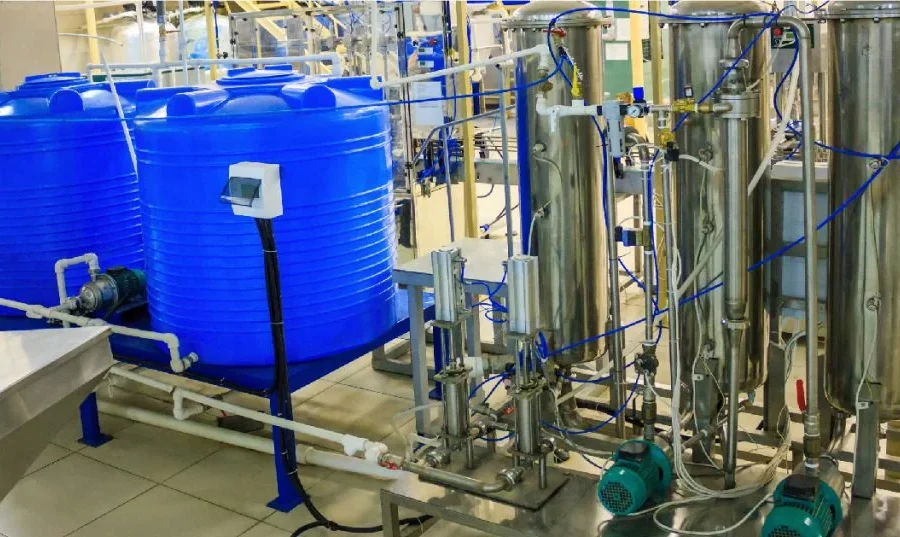
Water treatment can include different systems depending on the issue. Carbon filtration may help with taste and odor. Reverse osmosis is often used for drinking water. Water softeners help reduce hardness minerals that can cause scale buildup. Sediment filters can catch particles before they move deeper into plumbing and appliances.
The right combination depends on the results of testing. For example, a softener may help with scale, but it won’t solve every taste concern. A simple filter may improve odor, but it may not handle dissolved solids. This is why understanding the water first matters so much.
Appliances benefit from better water too
Water quality doesn’t only affect what you drink. It affects dishwashers, washing machines, water heaters, coffee makers, ice makers, and plumbing fixtures. Hard water can leave scale inside appliances. Sediment can clog screens. Iron can stain surfaces. Over time, these issues may make equipment work harder than it should.
Better-treated water can reduce some of these daily headaches. Dishes may look clearer. Laundry may feel softer. Faucets may stay cleaner for longer. Your water heater may not have to fight as much mineral buildup. These improvements are not always flashy, but they make home maintenance feel less exhausting.
Professional guidance keeps things practical
A good water treatment professional should explain things in plain language. Homeowners deserve to know what the test results mean, what each system does, and what maintenance will be required. No pressure, no confusing sales talk, no pretending every house needs the same package.
Installation also matters. A properly sized and correctly installed system will usually perform better and last longer. Poor installation can create leaks, pressure issues, or disappointing results. Water treatment is one of those home upgrades where doing it right the first time really counts.
Maintenance is part of the promise
No water system runs forever without care. Filters need replacing. Salt levels may need checking. Reverse osmosis membranes have a lifespan. Media can wear out. Regular maintenance keeps the system honest and helps prevent old problems from creeping back.
The good news is that maintenance doesn’t have to be complicated. With the right guidance, homeowners can follow a simple schedule and call for service when needed.
A better home starts at the tap
Water is part of nearly every routine in the house. It’s in the shower, the sink, the laundry, the kettle, and the glass beside the bed. When it improves, the home feels cleaner and easier to live in.
Better water doesn’t need to feel like a luxury. It can be a practical, everyday upgrade — one that starts with good testing, the right solution, and a little care over time.