Water is easy to overlook because it’s always there. You turn on the faucet, fill a glass, rinse vegetables, start the dishwasher, or take a shower without giving it much thought. Yet water quietly touches almost every part of daily life. It influences the taste of your coffee, the condition of your plumbing, the lifespan of your appliances, and even the comfort of your skin after a shower.
Because it’s so familiar, many homeowners assume their water is exactly as it should be. Sometimes that’s true. Other times, subtle changes in taste, odor, or mineral content go unnoticed for years until they begin affecting everyday routines.
The good news is that improving household water doesn’t have to involve guesswork. In fact, the smartest approach begins with understanding what’s actually coming out of your tap before investing in any filtration equipment.
Every Home Has a Different Water Story
No two homes have identical water.
Even if two neighbors receive water from the same municipal supply, factors such as plumbing materials, pipe age, household usage, and local infrastructure can create noticeable differences. Homes supplied by private wells face an even wider range of variables depending on geology, seasonal rainfall, and groundwater conditions.
Some families notice a chlorine smell. Others deal with hard water that leaves white mineral deposits on faucets and dishes. In some areas, iron causes reddish stains, while sulfur can produce an unpleasant odor.
Because every household has unique conditions, assuming one filtration system works for everyone rarely leads to the best results.
Why Guessing Can Cost More
When homeowners notice something unusual about their water, it’s tempting to search online and purchase the first highly rated filter available.
The problem is that filtration systems are designed to solve specific issues. A filter that improves chlorine taste may not help with hard water. A sediment filter won’t necessarily address dissolved minerals, while reverse osmosis systems serve different purposes than water softeners.
Buying equipment before identifying the actual problem often leads to unnecessary expenses and disappointing performance.
A little information upfront can save both time and money later.
The Value of a Professional Water Analysis
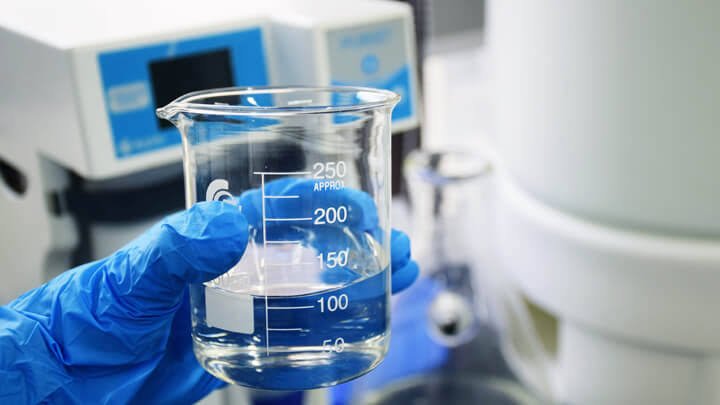
One of the easiest ways to understand your household water is through a free water test offered by many reputable water treatment providers.
Rather than relying on assumptions, testing measures characteristics such as hardness, pH balance, chlorine levels, dissolved minerals, sediment, iron, sulfur, and other common concerns depending on the testing method.
The results provide a clear picture of your home’s water profile and make choosing the right treatment solution much easier.
More importantly, homeowners gain confidence that any future investment is based on facts instead of advertising claims or generic recommendations.
Water Quality Affects More Than Drinking
People often associate water improvements with drinking water alone, but the benefits extend throughout the entire home.
Your washing machine uses it. Your dishwasher depends on it. Water heaters, refrigerators, coffee makers, showers, and even garden hoses rely on the same water supply.
Improving water quality can influence everything from cleaner dishes and softer laundry to better-tasting coffee and more enjoyable showers.
Many homeowners are surprised by how many everyday frustrations quietly disappear once their water matches their household’s actual needs.
The improvements aren’t dramatic all at once—they simply become part of a more comfortable daily routine.
Choosing the Right Treatment Matters
Once testing identifies your home’s specific conditions, selecting the appropriate equipment becomes much simpler.
Effective water treatment isn’t about purchasing the most expensive system available. It’s about matching technology to the actual characteristics of your water.
Some homes benefit from activated carbon filters that improve taste and odor. Others require water softeners to reduce mineral buildup. Reverse osmosis systems may be ideal for drinking water, while well water sometimes needs iron removal, sediment filtration, ultraviolet purification, or several technologies working together.
Customized solutions almost always outperform one-size-fits-all approaches.
Small Problems Often Grow Over Time
Minor water issues rarely stay minor forever.
Hard water slowly builds scale inside pipes and water heaters. Sediment can reduce appliance efficiency. Iron stains become more difficult to remove from sinks, bathtubs, and laundry. Even chlorine taste may gradually encourage families to buy bottled water, creating unnecessary expense and plastic waste.
Addressing these concerns early helps prevent many long-term frustrations before they become costly repairs or replacements.
Preventive action is usually much easier than fixing damage after it develops.
Better Water Supports Everyday Comfort
Improved water quality isn’t only about solving technical problems.
It’s also about making ordinary moments feel a little better.
Morning coffee develops a cleaner flavor. Ice cubes taste fresher. Fresh vegetables rinse more easily before cooking. Soap lathers better, dishes come out cleaner, and reusable water bottles become something you fill confidently from the kitchen faucet.
These aren’t headline-making improvements.
They’re simply the kind of everyday conveniences that quietly improve life one routine at a time.
Maintaining Your System Is Simpler Than You Think
Many homeowners hesitate because they assume water treatment systems require constant maintenance.
In reality, most modern equipment is designed for convenience.
Filter cartridges need replacement according to manufacturer recommendations, while larger treatment systems occasionally require scheduled servicing to maintain peak performance. Many systems even include reminders or indicators that simplify routine maintenance.
Once installed, properly maintained equipment continues working in the background with very little daily attention.
Like changing your HVAC filter, it eventually becomes another simple part of regular home care.
Investing in Confidence
One of the biggest benefits of understanding your water isn’t something you can measure on a laboratory report.
It’s confidence.
Confidence that the water your family drinks, cooks with, and uses every day has been evaluated properly. Confidence that the equipment protecting your home was selected for the right reasons. Confidence that you’re making informed decisions instead of relying on assumptions.
That peace of mind is often just as valuable as the physical improvements themselves.
Final Thoughts
Water quietly influences almost every aspect of life inside a home, from preparing meals and making coffee to protecting plumbing and supporting household appliances. Because it’s something we use countless times each day, even modest improvements create lasting benefits over time.
Rather than rushing into a purchase, taking the time to understand your home’s water through professional testing is often the smartest investment you can make. It provides the information needed to choose treatment that truly fits your household, avoiding unnecessary costs while delivering better long-term results.
Sometimes the path to better water doesn’t begin with buying equipment. It begins with asking the right questions, learning what’s in your water, and making informed choices that improve your home for years to come.