Water is one of those things we tend to take for granted. It’s always there when we need it—whether we’re making coffee before sunrise, filling a pot for dinner, washing muddy shoes after a rainy afternoon, or simply grabbing a cold glass after a long day. Because it’s such a constant part of life, it’s easy to assume everything is fine as long as the water keeps flowing.
But sometimes water has its own quiet way of communicating. A strange taste, a metallic smell, orange stains in the sink, or cloudy glasses after running the dishwasher aren’t random inconveniences. They’re often little signals that deserve a closer look.
Fortunately, understanding your home’s water doesn’t have to be complicated. With the right information, homeowners can make practical decisions that improve comfort, protect plumbing, and provide greater confidence in the water they use every single day.
Every Water Source Has Its Own Characteristics
No two water supplies are exactly alike.
Municipal water systems work hard to provide treated drinking water, yet the journey from treatment plant to household faucet passes through miles of underground infrastructure. Older plumbing materials, neighborhood pipelines, and even your home’s internal plumbing can influence what eventually reaches the tap.
Private well owners experience even greater variation. Seasonal rainfall, local geology, nearby agricultural activity, and natural underground minerals all affect groundwater quality throughout the year.
That’s why relying solely on general assumptions rarely provides the full picture.
When Iron Water Becomes More Than a Cosmetic Problem
One common issue homeowners encounter is iron water . While naturally occurring iron isn’t always considered a serious health concern at typical household levels, it can create several frustrating problems around the home.
The first signs often appear gradually. You may notice reddish-orange stains inside sinks, toilets, or bathtubs. Laundry develops rusty discoloration, and white fixtures lose their clean appearance despite regular scrubbing.
Water with elevated iron levels can also develop a metallic taste that changes the flavor of coffee, tea, and even cooked foods.
Beyond appearance, iron deposits may eventually accumulate inside plumbing fixtures and appliances, affecting performance over time. Addressing the issue early often prevents unnecessary maintenance and extends the life of household equipment.
Small Clues Are Worth Paying Attention To
Water problems rarely appear all at once.
Instead, homeowners usually notice subtle changes that slowly become part of everyday life. Soap doesn’t rinse quite as easily. Showerheads clog more frequently. Water pressure seems slightly lower than it used to be. Dishes come out looking dull instead of sparkling clean.
Because these changes happen gradually, it’s surprisingly easy to accept them as normal.
In reality, they’re often valuable clues that your water deserves a little more attention.
Ignoring those signs doesn’t always lead to immediate problems, but understanding them early gives homeowners more options and often lower repair costs.
Why Working With a Water Testing Professional Makes Sense
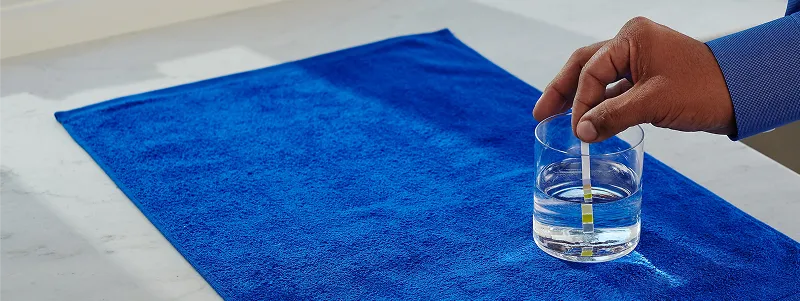
Home water testing kits available online can provide basic information, but they rarely tell the complete story.
That’s one reason many homeowners choose to work with a water testing professional when unusual symptoms appear. Experienced professionals know which tests are appropriate for specific water sources, local conditions, and homeowner concerns.
Rather than simply producing numbers, they help explain what those results actually mean.
Sometimes testing confirms that everything is functioning perfectly. Other times, it identifies issues that can be corrected with straightforward treatment solutions instead of expensive guesswork.
Having reliable information removes uncertainty and helps homeowners avoid purchasing unnecessary equipment based solely on advertising claims.
Understanding What May Be Present in Your Water
Water naturally contains dissolved minerals, many of which are completely harmless.
However, depending on geography, plumbing materials, agricultural activity, or environmental conditions, water may also contain unwanted substances that deserve attention.
Professional analysis can evaluate hardness, pH balance, chlorine levels, bacteria, nitrates, lead, manganese, sulfur compounds, sediment, and other characteristics depending on your home’s location and water source.
Every property is different.
That’s why testing based on your specific water supply provides much more useful guidance than generalized regional reports.
Learning About Water Pollutants Creates Better Decisions
When people hear the phrase water pollutants , they often imagine dramatic contamination events reported on the news. In reality, the term covers a wide range of substances that vary significantly in both source and potential impact.
Some pollutants occur naturally through surrounding rock formations. Others may enter water supplies through aging plumbing systems, agricultural runoff, industrial activity, or environmental changes.
Fortunately, modern testing methods can identify many of these concerns before they become larger issues.
More importantly, understanding exactly what’s present allows homeowners to select targeted treatment options instead of relying on one-size-fits-all solutions that may not address their actual needs.
Knowledge almost always leads to smarter decisions.
Every Home Doesn’t Need the Same Solution
One of the biggest misconceptions about water treatment is that every household needs identical equipment.
The truth is far more practical.
Some families only require a simple drinking water filtration system. Others benefit from water softeners that reduce mineral content. Homes with elevated iron levels may need specialized filtration, while many households discover that no additional treatment is necessary after testing.
That’s why professional recommendations should always begin with understanding the water itself—not selling equipment first.
Treating actual conditions rather than imagined problems usually produces the best long-term results.
Better Water Improves More Than Drinking
People naturally focus on drinking water, but clean, balanced water supports countless daily routines throughout the house.
It helps washing machines clean clothes more effectively. It keeps dishwashers performing efficiently. It reduces unnecessary wear on plumbing fixtures, water heaters, and household appliances.
Many homeowners also notice softer laundry, cleaner glassware, improved bathing comfort, and better tasting beverages after resolving water-related concerns.
These improvements aren’t flashy, yet they quietly enhance everyday life in meaningful ways.
Sometimes comfort comes from dozens of small details working together behind the scenes.
A Little Curiosity Can Go a Long Way
Most homeowners spend years maintaining roofs, replacing air filters, servicing heating systems, and caring for landscaping. Yet the water flowing through the home every single day often receives the least attention.
Taking the time to understand your water isn’t about creating fear or expecting problems where none exist. It’s about replacing assumptions with reliable information.
Whether testing reveals excellent water quality or identifies opportunities for improvement, you’ll have something incredibly valuable—confidence in the decisions you make for your family and your home.
At the end of the day, water quietly supports almost every routine that makes a house feel comfortable. Giving it the attention it deserves isn’t complicated. It’s simply another smart step toward maintaining a healthier, more efficient, and more enjoyable place to live.