Water is one of those things a business depends on quietly. It is there in the kitchen, the restrooms, the boiler room, the laundry area, the production line, the coffee station, the cleaning sink, and sometimes directly inside the product or service being delivered. When the water is working well, nobody really talks about it. It just does its job.
But when water quality slips, the effects can spread further than expected. Glassware starts looking cloudy. Equipment needs service more often. Coffee tastes flat. Fixtures stain. Boilers struggle with scale. Staff spend extra time cleaning things that should not need constant scrubbing. Customers may not know exactly what is wrong, but they can sense when something feels off.
That is why commercial water quality should not be treated as a small side issue. For many businesses, it is tied to efficiency, presentation, equipment life, and customer experience. And the smartest starting point is rarely buying equipment first. It is understanding the water properly.
Why Guessing Usually Costs More
A lot of water problems look similar on the surface. Spots on dishes may suggest hard water, but there could also be high dissolved solids involved. Stains may come from iron, manganese, corrosion, or old plumbing. Odd taste could be chlorine, chloramines, minerals, or something happening inside the building’s own pipes.
Without testing and proper review, it is easy to buy the wrong system. That mistake can be frustrating, especially in a business where downtime and wasted money are not just inconveniences. They affect daily operations.
This is where expert analysis makes a real difference. A trained professional can look at test results, usage patterns, equipment demands, and building conditions together. Instead of guessing based on one symptom, the business gets a clearer picture of what is actually happening.
Every Business Uses Water Differently
A restaurant does not use water like an office. A hotel does not use water like a salon. A laundromat, clinic, school, manufacturing site, café, or fitness centre will each have different needs. Some rely heavily on hot water. Some need consistent taste. Some need protection for equipment. Some need better water for cleaning, steam, ice, beverages, or customer comfort.
That is why a one-size-fits-all system rarely makes sense. A small office might only need improved drinking water and basic filtration. A restaurant may need softening, carbon filtration, and better water for ice and coffee. A hotel might need larger-scale treatment to protect laundry systems, guest bathrooms, and boilers.
Good planning looks at flow rate, daily usage, peak demand, water source, maintenance requirements, and the specific problems shown in testing. It is practical work, not guesswork.
Choosing Treatment That Fits the Operation
The right water treatment setup should support the business, not complicate it. It should be sized properly, installed correctly, and maintained in a way that fits normal operations. If a system is too small, it may struggle during busy hours. If it is too complex, staff may avoid maintaining it properly. If it treats the wrong issue, the original problem keeps coming back.
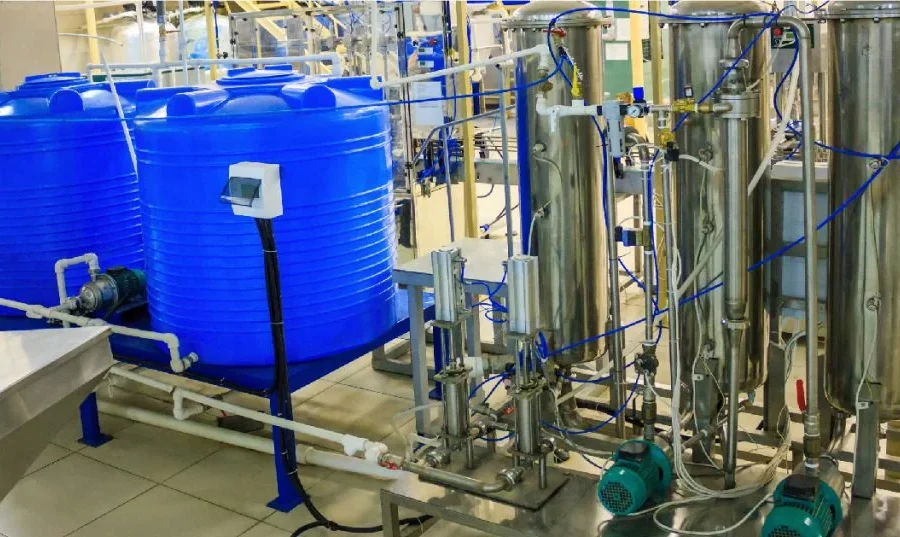
Professional commercial water treatment solutions may include softeners, filtration systems, reverse osmosis, sediment control, carbon filters, disinfection, scale prevention, or custom combinations. The exact setup depends on the water and the business.
For example, a café may focus heavily on taste and machine protection. A warehouse may care more about restrooms, equipment, and general building supply. A healthcare-related space may need higher consistency and tighter control. The best solution is the one that matches real-world use.
Equipment Is Only as Good as the Installation
Even high-quality water treatment equipment can underperform if it is not installed properly. Sizing, placement, pressure, flow rate, drainage, bypass setup, and connection quality all matter. Commercial systems often handle more demand than residential ones, so small installation mistakes can become bigger problems later.
This is where factory-trained technicians bring valuable confidence. They understand how specific systems are designed, how components should work together, and what needs to be checked during installation and service.
They can also explain the system in plain language. That matters more than people think. Business owners and facility managers do not need a chemistry lecture, but they should understand what the system does, what maintenance it needs, and what warning signs to watch for.
Maintenance Keeps Water Reliable
Water treatment is not a “set it and forget it forever” kind of thing. Filters need changing. Softener settings may need adjustment. Salt levels need checking. UV lamps, membranes, media beds, and other components may need scheduled service depending on the system.
Skipping maintenance can allow old problems to return. Scale may build up again. Taste may decline. Flow may drop. Equipment may become less protected. In a commercial setting, these issues can affect more than comfort; they can interrupt service, increase repair costs, or disappoint customers.
A sensible maintenance plan helps keep water quality consistent. It also gives businesses fewer surprises, which is always a good thing.
Better Water Supports Better Business
Improved water quality often shows up in small but useful ways. Dishes look cleaner. Ice tastes better. Coffee improves. Laundry feels fresher. Fixtures need less scrubbing. Equipment may run with less strain. Staff spend less time fighting the same recurring issues.
Customers may not walk in and say, “Wow, your water treatment is excellent.” But they notice clean glasses, fresh drinks, comfortable restrooms, and reliable service. Better water supports those details quietly.
For businesses, that quiet support matters. It helps protect the investment in equipment, improves daily workflow, and creates a better overall impression.
Start with Clarity, Then Build the Right System
The best water treatment decisions start with information. Test the water. Review the results. Understand how the business uses water. Then choose a system that solves the actual issue without overbuilding or underperforming.
Commercial water quality is not glamorous, maybe, but it is deeply practical. It touches daily operations in more ways than most people realise. When the right people assess the water, install the right equipment, and maintain it properly, the whole business runs a little smoother.
And really, that is the goal: water that works quietly, reliably, and without becoming one more problem on the list.