There are some things in life that don’t seem important until they suddenly are. Water is one of them. It sits in the background of our routines, taken for granted while we brush our teeth, rinse fruit, boil pasta, make tea, fill the dog’s bowl, and grab a glass before bed. It feels ordinary. Almost too ordinary to question.
But when the water tastes a little odd, smells faintly chemical, or leaves white marks on the kettle, you start noticing it everywhere. The bathroom taps. The cloudy ice cubes. The film on clean glasses. Even the shower feels different when you begin wondering what’s actually coming through the pipes.
Good water doesn’t need to be fancy. It doesn’t need a luxury label or some dramatic promise. It just needs to feel clean, taste fresh, and support the way a family actually lives day to day.
Water Is Part of More Than Drinking
When people think about water quality, they usually picture a glass of water. That makes sense. Drinking water is personal. You swallow it, cook with it, give it to children, use it for coffee, and trust it without much thought. But water touches much more than what goes into a glass.
It affects skin in the shower, the smell of laundry, the taste of soup, the life of appliances, and even how clean dishes look after a dishwasher cycle. Hard minerals can build up slowly. Chlorine taste can make people avoid tap water. Sediment can clog fixtures. Iron can stain sinks and tubs. Small water problems rarely stay in one place.
That’s why water deserves a little more respect than it usually gets.
Why Safe Water Brings Peace of Mind
Every homeowner wants safe drinking water, but most people don’t want to become experts in chemistry to get it. They just want confidence. The kind of confidence where you can fill a bottle for your child, make baby formula, brew coffee, or cook rice without second-guessing what’s in the water.
The challenge is that water can look clean and still carry things you can’t see. Some concerns affect taste and smell, while others are invisible. Lead, nitrates, bacteria, excess minerals, chlorine byproducts, and other substances may not always announce themselves clearly. For private wells, the responsibility becomes even greater because regular monitoring usually falls on the homeowner.
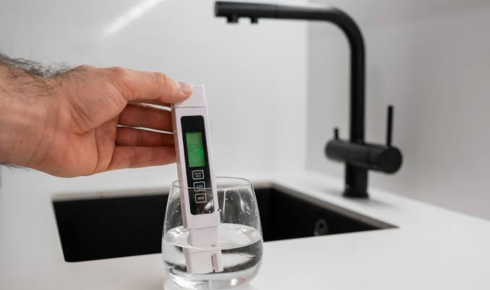
Testing is the simplest place to begin. Not guessing. Not buying the first filter you see online. Just testing, understanding the results, and then choosing the right next step.
The Small Signs Around the House
Your home often gives hints before a water issue becomes obvious. White crust around taps may point to hardness. Orange stains can suggest iron. Black marks may be connected to manganese. A rotten-egg smell may involve sulfur compounds. A sudden metallic taste could mean something has changed in the plumbing or water supply.
None of these signs automatically mean danger. Sometimes they are nuisance issues. But nuisance issues still matter, especially when they make water unpleasant to use. If tap water tastes bad, people usually drink less of it or start buying bottled water. That becomes expensive, wasteful, and honestly a bit annoying after a while.
Paying attention early can save a lot of trouble later.
Water and Everyday Health Habits
A healthy lifestyle is often discussed in terms of food, exercise, sleep, and stress. Fair enough. Those things matter. But water quietly supports all of them. It helps prepare healthier meals, encourages better hydration, and makes daily routines feel cleaner and easier.
Think about it. If your water tastes fresh, you’re more likely to drink it. If your shower water feels better, your skin may feel less dry. If your coffee tastes cleaner, you may stop masking odd flavors with too much sugar or creamer. These are not huge dramatic changes, but real life is built from small habits.
Good water doesn’t solve everything, of course. But it can make healthier choices easier to stick with. And that counts.
Choosing the Right System for the Right Problem
Not every home needs the same solution. Some households only need better-tasting kitchen water. Others need help with hardness throughout the house. A family using a private well may need treatment for bacteria, iron, sulfur, or sediment. A city water household may be more concerned about chlorine taste, old pipes, or specific contaminants.
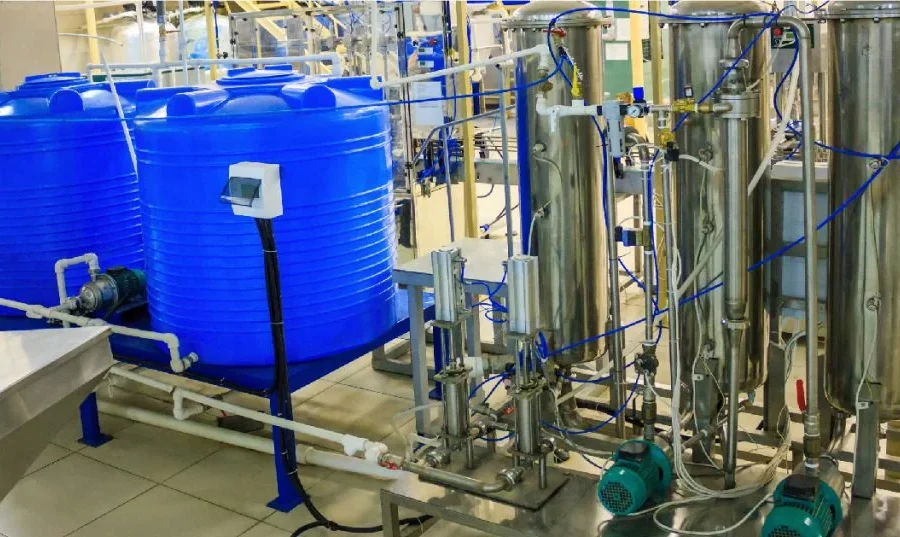
This is where home water treatment becomes practical rather than complicated. A treatment plan should match the actual water problem. Carbon filters can improve taste and odor. Sediment filters can catch particles. Water softeners help with hardness. Reverse osmosis systems may reduce many dissolved substances at a drinking tap. UV systems may be used for microbial concerns.
The best system is not always the most expensive one. It is the one chosen for the right reason.
Whole-House or Drinking Water Only?
This is a common question, and the answer depends on where the problem appears. If the issue is only taste at the kitchen sink, a point-of-use system may be enough. If stains, scale, odor, or dry skin show up throughout the house, a whole-house option may make more sense.
Hard water, for example, affects showers, laundry, dishwashers, and water heaters. Treating one faucet won’t protect the appliances. On the other hand, if your main concern is improving water for cooking and drinking, an under-sink system may be a smart and focused choice.
A good professional will look at the full picture instead of pushing a one-size-fits-all setup.
Maintenance Keeps Water Reliable
Even a good system needs care. Filters clog. Cartridges expire. Softener salt runs low. UV lamps weaken. Water heaters collect sediment. A system that worked well when installed may slowly lose performance if nobody checks it.
Keep a simple schedule. Write down test dates, filter changes, service visits, and anything unusual you notice. It doesn’t have to be fancy. A phone reminder is enough. Clean water is not a one-time purchase; it’s part of home maintenance.
A Better Glass Starts With Awareness
Good water should feel simple again. That’s the whole point. You should be able to fill a glass, take a sip, and move on with your day without doubt hanging around in the background.
The path to better water isn’t fear. It’s awareness. Notice the signs. Test when needed. Choose solutions based on facts. Maintain the system once it’s in place.
Clean water may not be the loudest part of a healthy home, but it might be one of the most important. And when it tastes fresh, feels right, and supports everyday living, you notice the comfort more than you expected.