Most of us don’t spend much time thinking about water. We expect it to be there when we wake up, when we brew coffee, wash vegetables, take a shower, or start the dishwasher after dinner. It’s simply part of everyday life. But when the water quality isn’t what it should be, those ordinary routines can become a little less enjoyable without us even realizing why.
Maybe your glasses always come out of the dishwasher with cloudy spots. Perhaps your skin feels dry after every shower, or your morning tea tastes slightly different than it used to. These aren’t always major problems, but they’re often signs that your home’s water deserves a closer look.
Once people begin paying attention to their water, they’re usually surprised by how much it influences comfort, health, and even household expenses.
Water Quality Affects More Than You Think
Water touches nearly every room in the house. It’s easy to focus only on drinking water, but kitchens, bathrooms, laundry rooms, and even outdoor faucets rely on the same supply.
Hard minerals, sediment, chlorine, and naturally occurring impurities can quietly affect plumbing fixtures, appliances, and cleaning routines. Over time, these issues build slowly, making them easy to overlook.
That’s why improving water filtration has become a priority for many homeowners. Cleaner water not only tastes better, but it can also help reduce unwanted odors, improve clarity, and provide greater confidence in the water your family uses every day.
It’s one of those improvements that works quietly in the background while making everyday life noticeably easier.
Every Home Faces Different Challenges
No two water supplies are exactly alike.
Homes connected to municipal water systems often deal with chlorine and treatment chemicals, while well water may contain iron, sulfur, sediment, or elevated mineral levels. Even neighboring houses can experience different water conditions depending on plumbing age and local infrastructure.
Instead of assuming every solution works the same way, it’s worth starting with a professional water analysis. Knowing exactly what’s present allows homeowners to choose equipment that solves real problems instead of simply masking symptoms.
That approach almost always produces better long-term results.
Finding the Right Solution Takes Planning
Water treatment isn’t about purchasing the biggest or most expensive system available. It’s about selecting equipment that matches your home’s specific needs.
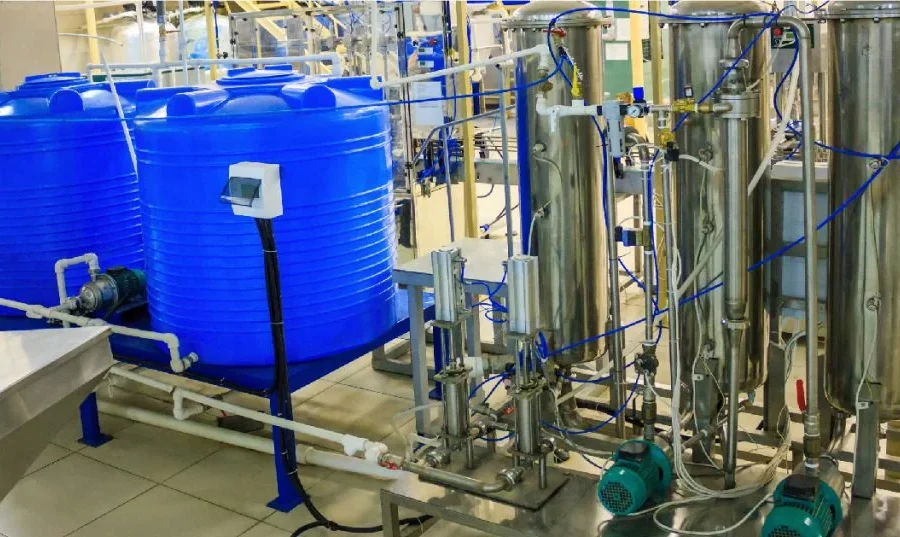
Today’s water treatment products include everything from sediment filters and activated carbon systems to water softeners, ultraviolet purification, and reverse osmosis drinking water systems. Each serves a different purpose, and many households benefit from combining multiple technologies into one complete treatment plan.
The best systems aren’t necessarily the most complicated—they’re the ones designed around the unique characteristics of your water supply.
Better Water Benefits the Entire Household
People often notice improvements in drinking water first, but cleaner water affects far more than what’s inside a glass.
Soap lathers more easily. Laundry may feel softer. Fixtures remain cleaner, and water heaters often operate more efficiently when mineral buildup is reduced. Even cooking becomes more enjoyable when water has a fresher taste and fewer unwanted odors.
Over time, appliances may also require less maintenance because they’re no longer constantly exposed to excessive scaling and sediment accumulation.
Those savings aren’t always obvious immediately, but they have a way of adding up over the years.
Water Solutions Beyond Residential Homes
While homeowners make up a large portion of the water treatment market, businesses also rely heavily on dependable water quality.
Restaurants need consistent water for food preparation and beverages. Hotels depend on clean water for guest satisfaction. Healthcare facilities, manufacturing plants, schools, and office buildings all benefit from properly treated water.
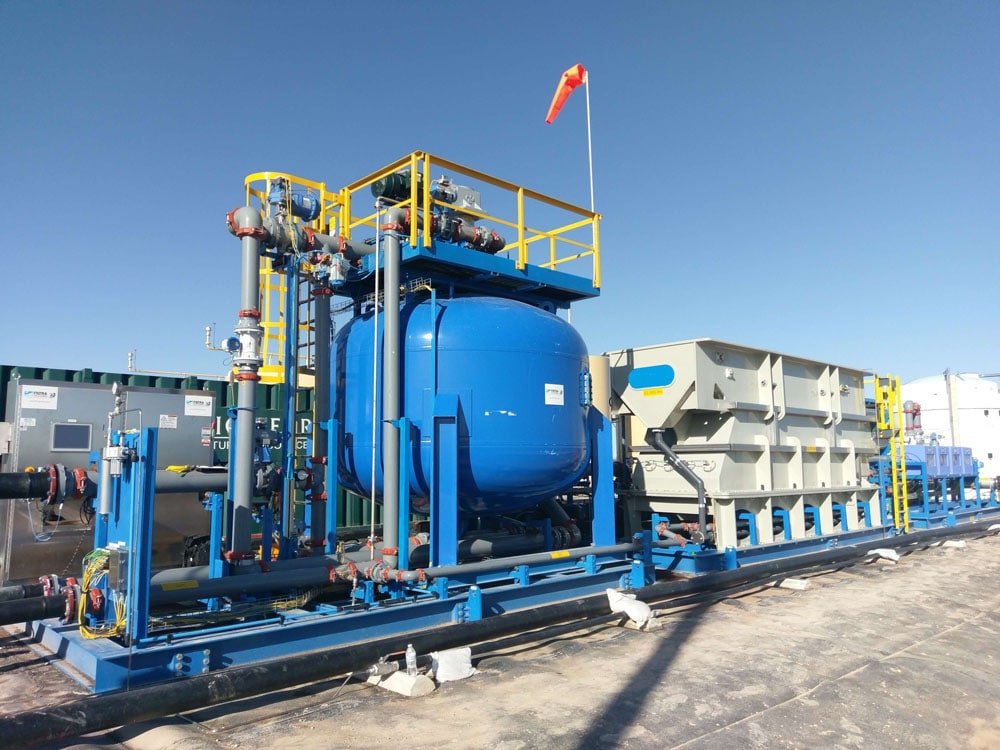
Companies specializing in commercial work understand that larger systems require careful planning, reliable equipment, and ongoing maintenance to ensure consistent performance. Whether supporting industrial operations or serving hundreds of customers each day, commercial water treatment plays a critical role in maintaining both efficiency and safety.
It’s a reminder that clean water isn’t just a household concern—it’s essential across countless industries.
Prevention Is Often More Affordable Than Repairs
Many homeowners only think about water quality after something goes wrong.
A failing water heater, clogged plumbing, stained fixtures, or damaged appliances often lead people to investigate their water for the first time. Unfortunately, by then, some of the damage has already occurred.
Investing in proper treatment earlier can help reduce wear on household systems while improving daily comfort from the very beginning.
Like regular vehicle maintenance, preventing problems usually costs less than repairing them later.
Small Improvements Create Lasting Value
One thing people frequently mention after upgrading their water treatment system is how quickly the changes begin to feel normal.
The better-tasting drinking water becomes expected. Softer laundry no longer feels unusual. Cleaner dishes become routine. Showers simply feel more comfortable.
Eventually, it’s easy to forget how many little inconveniences existed before.
That’s probably the strongest sign that a water treatment system is doing exactly what it should—it quietly improves everyday life without demanding constant attention.
Final Thoughts
Clean water isn’t a luxury. It’s one of the foundations of a healthy, comfortable home and an efficient workplace. Whether you’re focused on protecting plumbing, improving drinking water, or creating a better experience for your family or customers, investing in the right water treatment solution offers benefits that extend far beyond the faucet.
The best systems aren’t chosen because they’re trendy. They’re chosen because they solve real problems, improve daily routines, and continue delivering value year after year. Sometimes, the simplest upgrade can have the biggest impact—and better water is a perfect example of that.