Water treatment can sound simple from the outside. Add a filter, soften the water, improve the taste, and move on. But in real homes and businesses, water is rarely that tidy. One property may be fighting hard water scale. Another may have sediment, chlorine odor, iron stains, or water that behaves differently after storms. Sometimes the issue is not one thing at all, but a mix of small problems that add up.
That is why the best water systems are not chosen from a shelf in a hurry. They are planned. A good system should match the water source, the plumbing, the daily usage, and the people depending on it. When it does, water becomes easier to trust. It tastes better, works better, and causes fewer headaches behind the scenes.
Why One-Size-Fits-All Rarely Works
Every property has its own water story. A restaurant may need consistent water for ice, coffee, dishwashing, and steam equipment. A home may need cleaner showers, softer laundry, and better drinking water. A commercial building may need filtration that supports multiple tenants and larger water demand.
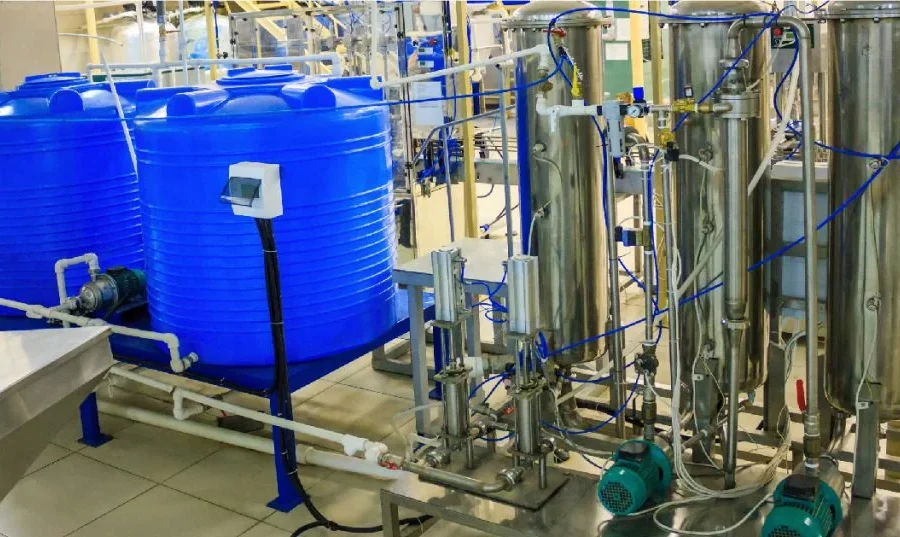
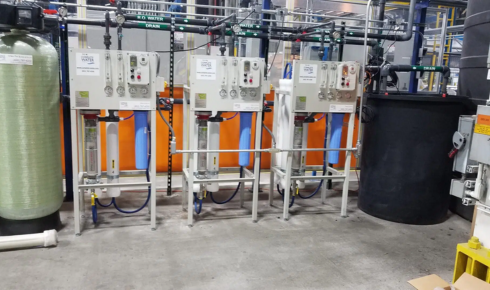
This is where custom water solutions become important. Instead of treating every property the same, the system is designed around actual water conditions and practical needs. That may mean a softener, carbon filtration, sediment reduction, reverse osmosis, UV disinfection, specialty iron treatment, or a combination of technologies.
The point is not to make things complicated. It is to avoid guessing. When the system is matched properly, it usually performs better and lasts longer.
Testing Gives the System a Starting Point
No reliable water plan should begin with guesswork. Testing helps identify what is really in the water, whether the issue is hardness, iron, chlorine, sulfur, sediment, pH imbalance, bacteria, or dissolved solids.
Sometimes water looks clear but still causes scale. Sometimes it tastes fine but leaves buildup in equipment. Sometimes odor only appears in hot water, which may point to the water heater instead of the main supply. These details matter.
A proper analysis helps separate symptoms from causes. Once the results are known, choosing equipment becomes a practical decision rather than a gamble.
Installation Matters More Than People Think
Even the right equipment can disappoint if it is installed poorly. Flow rate, plumbing layout, drain access, bypass valves, pressure, electrical needs, and equipment order all matter. A softener installed before sediment filtration may struggle. A filter that is too small may reduce pressure. A system placed in the wrong spot may become hard to maintain.
That is why professional installation is not just about connecting pipes. It is about making sure the system fits the property and works the way it was designed to work. A careful installation can reduce leaks, pressure problems, service issues, and premature equipment wear.
Good installation also makes maintenance easier. If filters, valves, and controls are accessible, the system is far less likely to be neglected.
Whole-Home and Commercial Needs Are Different
Residential and commercial water treatment may use similar technologies, but the demands are often very different. A family home may use water in predictable patterns. A business may have peak demand during certain hours, multiple fixtures running at once, or sensitive equipment that depends on stable water quality.
For commercial spaces, sizing becomes especially important. Restaurants, hotels, salons, laundromats, offices, healthcare facilities, and manufacturing operations all use water differently. If a system cannot keep up, it may cause pressure drops, inconsistent results, or frequent service needs.
A properly designed commercial system considers usage volume, peak flow, equipment requirements, and operational impact. It should support the business, not slow it down.
Better Water Protects More Than the Tap
Water affects more than taste. It touches appliances, plumbing, fixtures, laundry, cleaning routines, beverages, food prep, and customer experience. Poor water can leave scale in water heaters, spots on dishes, stains on surfaces, and unpleasant odors in bathrooms or kitchens.
Hard water can make soap less effective. Sediment can clog screens and valves. Chlorine can affect taste and smell. Iron can stain toilets, sinks, and laundry. These issues may seem minor at first, but over time they create extra cleaning, repairs, and frustration.
The right system can help reduce those problems before they spread throughout the property.
Maintenance Keeps the Benefits Going
Water treatment is not a “set it and forget it forever” upgrade. Filters need changing. Softeners need salt. Carbon media has a service life. Reverse osmosis systems need cartridge and membrane replacements. UV lamps, when used, must be replaced on schedule.
This is where ongoing service becomes valuable. Routine checkups help keep systems performing properly, catch small issues early, and make sure water quality stays consistent over time. For businesses especially, planned service can prevent surprise downtime and protect equipment that depends on reliable water.
For homeowners, regular maintenance keeps the system from becoming another mystery in the basement.
The Right System Should Feel Effortless
When water treatment is designed well, it does not demand attention every day. The water simply behaves better. Dishes come out clearer. Coffee tastes cleaner. Showers feel fresher. Appliances deal with less buildup. Staff or family members stop working around the same water problems.
That is the quiet goal of a good system. Not fancy equipment for its own sake, but water that supports daily life and daily operations.
Choosing a Partner, Not Just a Product
A dependable water solution usually comes from more than equipment. It comes from testing, explanation, design, installation, and service. A good provider should listen first, explain clearly, and recommend only what the water actually needs.
Homeowners and business owners should understand what each part of the system does, what maintenance will look like, and why the recommended setup makes sense. No confusion. No pressure. Just a practical plan.
In the end, better water is about confidence. You turn on the tap and trust what comes out. You run equipment without constantly worrying about scale or buildup. You serve customers, wash laundry, make coffee, clean dishes, or take a shower without water getting in the way.
That kind of reliability does not happen by accident. It comes from a system built for the property, installed correctly, and cared for over time.