Water is one of those things we rarely think about until something feels off. Maybe your coffee tastes a little strange, your skin feels unusually dry after a shower, or your favorite glassware starts collecting cloudy spots no matter how carefully you wash it. These little annoyances often seem unrelated, but they can all point to one thing—your home’s water quality.
The truth is, not all tap water is the same. It can vary dramatically from one neighborhood to the next, even when homes are connected to the same municipal supply. Water travels through treatment plants, underground pipes, and plumbing systems before it reaches your faucet. Along the way, its composition can change in ways that affect everything from taste to household appliances.
Understanding what’s flowing through your taps isn’t about being alarmed. It’s about making informed decisions that help protect your home, your family, and even your wallet over time.
Why Water Quality Deserves More Attention
Most people assume clear water automatically means clean water. While appearance certainly matters, it doesn’t tell the whole story. Water can look perfectly normal while still containing minerals or chemicals that influence how it tastes, smells, and performs around the house.
Think about how many times you use water during an average day. You drink it, cook with it, shower in it, wash dishes, clean clothes, and water plants. Even small differences in water quality become noticeable when you’re using it dozens of times every single day.
That’s why paying attention to your water isn’t just about drinking it—it’s about improving your entire home environment.
The Hidden Effects of Hard Minerals
One of the most common household water issues involves hard water. This simply means your water contains elevated levels of dissolved minerals, primarily calcium and magnesium. These minerals aren’t necessarily harmful to drink, but they can create frustrating problems throughout the home.
Soap doesn’t lather as well, shampoo becomes harder to rinse away, and laundry may come out feeling rough instead of soft. Faucets develop stubborn white deposits, showerheads clog over time, and water heaters often become less efficient because mineral scale builds up inside the tank.
Many homeowners don’t realize these changes happen gradually. You adapt to them without noticing until you visit another home where the water feels completely different. It’s one of those subtle differences that becomes obvious only after you’ve experienced better water.
Why Water Treatment Chemicals Matter
Municipal water systems use disinfectants to help eliminate harmful bacteria before water reaches homes. One of the most common disinfectants is chlorine, and it plays an important role in public health.
Still, that doesn’t mean everyone enjoys its presence.
Some people notice a swimming pool-like smell when filling a glass from the tap. Others find that beverages like tea and coffee don’t taste quite as fresh as they should. Cooking can also be affected since water contributes to the flavor of soups, pasta, rice, and countless other meals.
Certain individuals also report that heavily treated water leaves their skin feeling tighter or their hair less manageable after bathing. While experiences differ from person to person, it’s understandable why many homeowners choose additional filtration to improve taste and overall comfort.
The Pipes Tell Their Own Story
Water doesn’t exist in isolation. It interacts with every pipe, valve, and fixture it passes through before arriving at your kitchen sink.
Older plumbing systems may contribute sediment, tiny metal particles, or discoloration. In some cases, aging infrastructure can influence water quality long before you notice visible signs. That’s one reason why two neighboring homes may experience completely different water issues despite sharing the same city supply.
Routine plumbing maintenance, combined with occasional water testing, can reveal potential concerns before they become expensive repairs.
Looking Beyond the Obvious
When discussing water quality, many conversations focus on taste alone. Yet there may also be other contaminants that vary depending on local conditions, private wells, aging infrastructure, agricultural runoff, or environmental factors.
These can include sediment, dissolved metals, sulfur compounds, nitrates, or naturally occurring minerals. The exact composition depends heavily on geography and the source of the water.
Rather than guessing, professional testing offers a much clearer picture. Knowing what’s actually present allows homeowners to choose treatment options based on facts instead of assumptions.
How Better Water Benefits the Entire Home
Improving water quality often delivers benefits that extend far beyond drinking water.
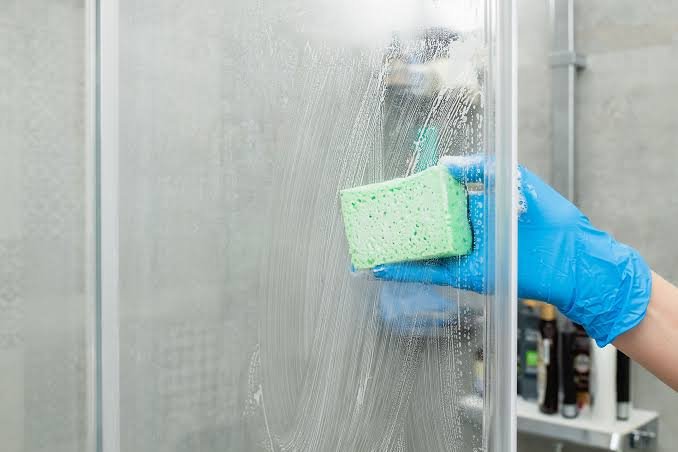
Bathrooms become easier to clean because mineral buildup slows down. Dishes dry with fewer spots. Washing machines and dishwashers often operate more efficiently. Water heaters may maintain performance longer when excessive scaling is reduced.
There’s also the comfort factor. Softer-feeling showers, cleaner-tasting ice cubes, brighter laundry, and smoother cooking experiences may seem like small improvements individually, but together they noticeably change daily life.
Sometimes it’s the little things that make a house feel more comfortable.
Choosing the Right Solution
There isn’t a universal answer for every household. A family dealing with mineral-rich well water has different needs than someone concerned about municipal treatment chemicals.
That’s why water testing should usually come first.
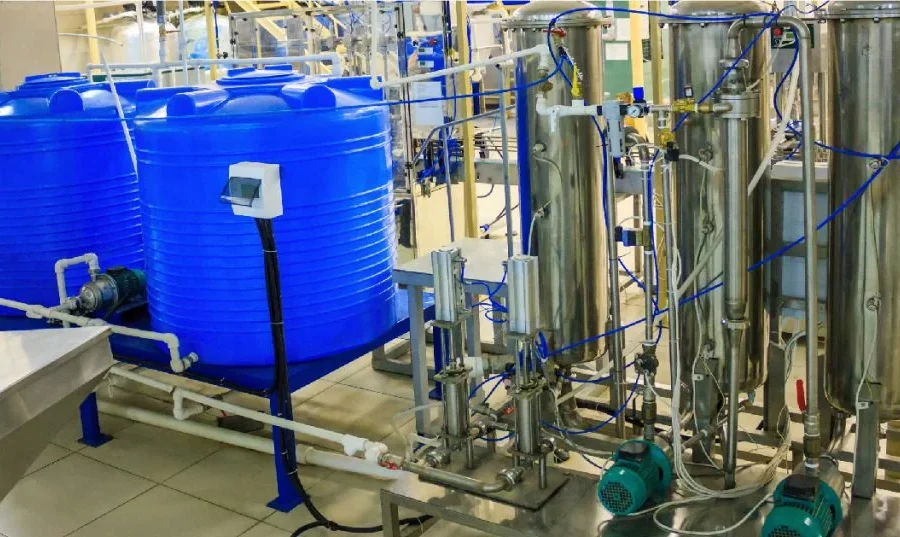
A detailed analysis helps identify what’s actually affecting your water instead of relying on assumptions or online checklists. From there, homeowners can explore options like water softeners, activated carbon filters, reverse osmosis systems, whole-house filtration units, or specialized treatment equipment designed for specific concerns.
The goal isn’t buying the most expensive system—it’s choosing the right one for your unique water profile.
Small Changes Can Make a Big Difference
Water is easy to take for granted because it’s always there. Turn the faucet, and it flows. But when you pause and think about how often you rely on it, improving its quality becomes a surprisingly worthwhile investment.
Cleaner-tasting drinking water, longer-lasting appliances, easier cleaning, and a more comfortable daily routine all start with understanding what comes out of your tap.
You don’t have to become a water chemistry expert to make smart decisions. Simply paying attention to subtle signs—like unusual tastes, stubborn mineral spots, reduced soap lather, or recurring plumbing scale—can point you in the right direction.
In the end, better water isn’t about chasing perfection. It’s about creating a healthier, more enjoyable home where everyday tasks become just a little easier. And honestly, when something as simple as water can improve so many parts of daily life, it’s worth giving it the attention it deserves.