
A good water system is one of those things you do not think about much when it is working properly. The water tastes clean, the pressure feels right, the appliances run without fuss, and daily routines move along in the background. Nobody stands in the kitchen admiring the filtration unit or thanking the softener, of course. It just quietly does its job.
But the moment something changes, people notice. Maybe the water starts tasting a little different. Maybe dishes come out spotted again. Maybe the shower feels less fresh, or the system makes a noise it never used to make. In a business setting, the warning signs can be even more stressful — reduced flow, equipment strain, inconsistent results, or service interruptions that affect the day’s work.
Water treatment equipment is built to solve problems, but it still needs proper care. Good installation, regular servicing, and skilled support all matter more than most people realise.
Water Systems Work Hard Every Day
A water treatment system may look simple from the outside, but it is constantly dealing with whatever the water brings in. That might include minerals, sediment, chlorine, iron, odours, hardness, dissolved solids, or other unwanted elements depending on the source.
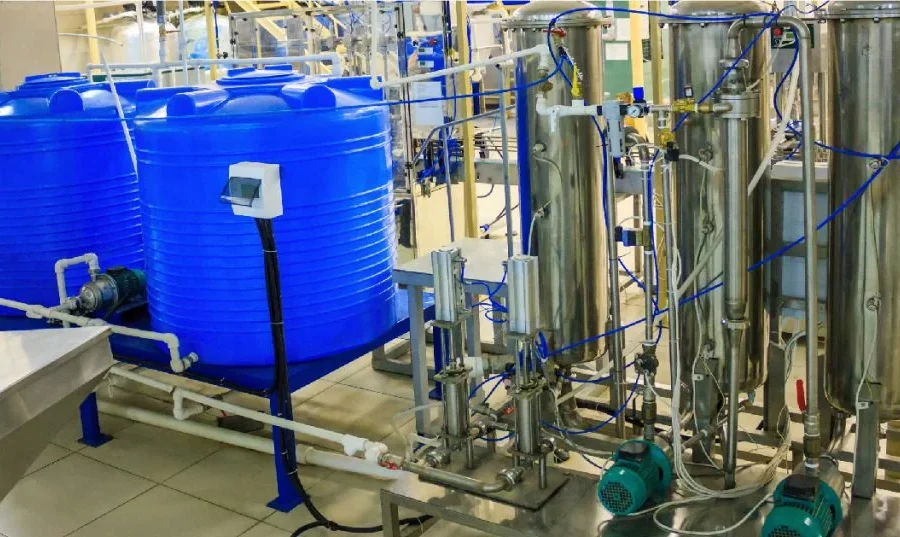
Every glass of drinking water, every shower, every laundry cycle, every dishwasher load, and every commercial process adds to the system’s workload. Filters collect particles. Softening media reduces hardness. Reverse osmosis membranes separate impurities. Valves, tanks, pumps, and fittings all have roles to play.
Over time, these parts can wear, clog, shift, or lose efficiency. It is not usually sudden. More often, performance drops little by little, which is why routine checks can make such a difference.
Why Performance Should Be Monitored
Water treatment is not only about having equipment installed. It is about making sure that equipment continues doing what it was designed to do. A system that worked perfectly two years ago may not perform the same if filters are overdue, settings are wrong, or water conditions have changed.
Regular monitoring helps protect system performance by catching early signs of wear, pressure issues, flow problems, or reduced treatment results before they become larger concerns.
This is especially important for properties with heavy water demand. A family home, restaurant, hotel, office building, commercial kitchen, or industrial site may all depend on treated water in different ways. When the system struggles, the effects can spread quickly.
Water Quality Is Felt in Everyday Life
People often think of water treatment as a technical subject, but the results are very personal. Better water can change the way coffee tastes, how skin feels after a shower, how laundry comes out, how clean dishes look, and how often fixtures need scrubbing.
In a home, poor water quality may show up as dry skin, cloudy glassware, unpleasant taste, stains, mineral buildup, or appliances that seem to need repairs too often. In a business, it may affect customer experience, equipment costs, cleaning standards, or product consistency.
The frustrating part is that water can look clear and still create problems. That is why testing and service are so important. They help property owners understand what is happening instead of guessing from symptoms alone.
Skilled Service Makes a Real Difference
Water systems are not always complicated to use, but they do need knowledgeable care. A technician should understand more than how to replace a filter. They should know how to read test results, check pressure, inspect components, identify system wear, and explain what is happening in plain language.
That kind of support matters. A poorly fitted filter, incorrect setting, missed leak, or wrong system recommendation can lead to unnecessary costs later. Good service helps prevent that.
Working with certified technicians gives homeowners and businesses more confidence that the system is being inspected, maintained, and repaired by people who understand both the equipment and the water concerns behind it.
Maintenance Is Easier Than Emergency Repairs
Nobody enjoys dealing with emergency repairs. They usually happen at the worst possible time — before guests arrive, during a busy workday, or right when the household is already stretched thin. The better approach is staying ahead of problems.
Scheduled maintenance can include filter changes, salt checks, pressure testing, valve inspection, leak checks, water testing, membrane checks, and performance reviews. Some systems need very little attention. Others, especially commercial or whole-property setups, require a more structured plan.
The point is not to overcomplicate water care. It is to keep the system dependable without waiting for something to fail.
Better Service Protects the Investment
A water treatment system is a practical investment. It can protect appliances, improve drinking water, reduce scale, support cleaning, and make the property easier to manage. But like any investment, it needs care to keep delivering value.
Regular service can help extend equipment life, reduce avoidable repairs, and keep results consistent. It also helps spot when an upgrade may be useful. Sometimes a small improvement, such as better pre-filtration or updated controls, can improve performance without replacing the entire system.
Good advice should be honest and practical. Not every issue needs a major fix. Sometimes the right answer is a simple adjustment, a filter change, or a clearer maintenance schedule.
Confidence Comes from Proper Care
There is a quiet comfort in knowing the water system has been checked and is working properly. Homeowners can drink, cook, bathe, and clean with more confidence. Businesses can serve customers, run equipment, and manage operations with fewer water-related surprises.
Water is too important to leave to guesswork. It moves through the entire property, touching routines, appliances, fixtures, and comfort every day.
In the end, reliable water treatment is not just about the equipment sitting in a utility room. It is about the care behind it — the testing, the servicing, the installation, the repairs, and the people who know how to keep everything working. When that support is in place, better water becomes easier to trust.