Water is one of those things we expect to behave itself. Turn the tap, fill the glass, cook the pasta, rinse the fruit, make tea. It becomes part of the day so naturally that most people don’t stop to question it unless something feels very wrong. A strange smell, cloudy colour, a rusty stain in the sink — those signs get attention. But water doesn’t always warn us loudly.
Sometimes, the water looks clear and tastes fine, but there may still be issues hiding behind the everyday routine. That’s what makes water safety a bit tricky. You can’t always judge it by sight, and honestly, most of us don’t have the time or tools to guess what’s happening inside the pipes.
Good water is not just about comfort. It affects health, cooking, bathing, appliances, plumbing, and even peace of mind. When water is dependable, nobody talks about it. When it isn’t, it suddenly becomes the centre of the whole house.
Why Water Deserves More Attention Than It Gets
People often think water problems only happen in old homes, rural properties, or places with visible plumbing damage. That’s not really true. Newer homes can have issues too. Municipal water can pick up impurities after treatment. Well water can change after heavy rain, flooding, or nearby land use. Pipes can corrode slowly. Filters can stop working properly without making a fuss.
The concern is not always dramatic contamination. It may be mineral buildup, excess chlorine, sediment, metals, bacteria, or changes in pH. Some of these affect taste and appearance. Others may slowly damage pipes or appliances. A few may create real health concerns, especially for children, older adults, pregnant women, or anyone with a weaker immune system.
This is where a little awareness goes a long way. Nobody needs to become obsessed with every drop of water, but completely ignoring it is not wise either. Water moves through too many parts of daily life to be treated like an afterthought.
Clear Water Can Still Carry Hidden Problems
There is something reassuring about a clear glass of water. It looks clean, so the brain says, “Fine, nothing to worry about.” But many water problems are invisible. Lead, bacteria, nitrates, pesticides, and certain chemicals may not change the colour at all. Even taste can be unreliable. Some unsafe water tastes normal, while some harmless mineral-heavy water tastes odd.
Private wells need special attention because they are usually the homeowner’s responsibility. There is no city treatment plant checking the water before it reaches the kitchen. A well can be affected by septic systems, agricultural runoff, animal waste, cracked well caps, or seasonal groundwater changes.
City water users shouldn’t ignore things either. Public water is treated and monitored, yes, but plumbing inside the property still matters. Old service lines, household pipes, water heaters, and fixtures can influence the final water that reaches your glass.
Small Signs That Shouldn’t Be Brushed Aside
Water issues often start with little clues. Maybe the water smells earthy after rain. Maybe tea tastes metallic. Maybe the toilet bowl stains faster than usual. Maybe the showerhead gets clogged again and again. These things may seem minor, and sometimes they are, but they can also point toward something that deserves checking.
A sudden change is especially important. If the water has always tasted one way and now tastes different, don’t ignore it for months. If it becomes cloudy, gritty, slimy, or leaves unusual stains, that’s worth attention. If several people in the home experience stomach discomfort without a clear reason, water may not be the cause, but it belongs on the list of possibilities.
The goal is not to panic. Panic makes people buy the wrong products. The smarter move is to slow down, look at the signs, and get real information before deciding what to do next.
Testing Comes Before Any Real Solution
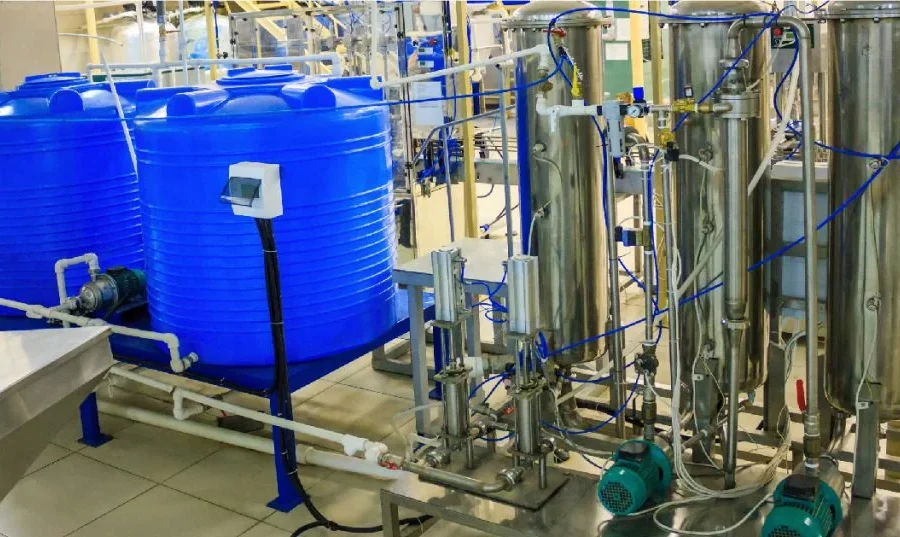
A lot of homeowners make the same mistake: they buy a filter first and ask questions later. It’s understandable. Filters are easy to find, and marketing makes them sound like they solve everything. But water treatment is not one-size-fits-all. A carbon filter, softener, reverse osmosis unit, UV system, and sediment filter all do different jobs.
The only way to know what your home actually needs is through professional analysis. A proper water test can identify what is present, how much is present, and whether it needs treatment. It removes the guesswork. Instead of buying a system because a neighbour uses one, you can choose a solution based on your own water.
Testing may check for bacteria, hardness, pH, iron, manganese, chlorine, nitrates, lead, total dissolved solids, or other concerns depending on the source. For well water, bacterial testing is especially important after flooding, plumbing repairs, or long periods without inspection.
What Safe Water Really Means at Home
People often use the word “clean” casually, but safe water is more specific than that. It should be suitable for drinking, cooking, bathing, and washing. It should not expose the household to harmful levels of contaminants. It should also be stable enough not to damage plumbing or shorten the life of appliances.
Having safe drinking water is not just about avoiding illness. It changes how comfortable people feel in their own home. Parents stop second-guessing what they give their children. Coffee tastes better. Cooking feels simpler. You stop buying endless bottled water “just in case,” which saves money and cuts down on plastic waste too.
Of course, once a treatment system is installed, maintenance matters. Filters must be replaced. UV lamps need changing. Softeners need salt. Storage tanks should be cleaned when needed. A neglected system can lose effectiveness, even if it was the right choice at the beginning.
A Practical Habit, Not a Luxury
Water testing and treatment can sound technical, maybe even a little boring. But in real life, it’s just sensible home care. Like checking smoke alarms, cleaning gutters, servicing an air conditioner, or replacing worn tyres before they become dangerous. It’s one of those quiet responsibilities that protects the household in the background.
If your water looks, smells, or tastes different, test it. If you rely on a private well, make testing part of your yearly routine. If you’ve moved into an older home, don’t assume the plumbing tells the whole truth from the outside.
Water is simple until it isn’t. And because we use it every day, several times a day, knowing what’s in it is worth the effort. A clear glass of water should feel reassuring not because you’re guessing, but because you’ve actually checked.