Water is one of those things we rarely think about until something feels off. Maybe the tap starts leaving white spots on dishes. Maybe your morning coffee tastes different than usual. Or perhaps your skin feels unusually dry after every shower. These little signs often go unnoticed for weeks, even months, because they creep in quietly. Yet they can reveal a lot about what’s flowing through the pipes every single day.
The truth is, the water entering your home influences far more than your drinking glass. It touches nearly every part of daily life—from cooking and cleaning to bathing, laundry, and even the lifespan of your plumbing. It’s one of those household essentials that’s easy to overlook because it’s always there. But once you start paying attention, you realize how much of a difference good water really makes.
Water Isn’t the Same Everywhere
Many people assume that if water is clear, it’s perfectly fine. That’s understandable. Clear water often looks reassuring. But appearance alone doesn’t tell the full story.
Water naturally picks up minerals as it moves through soil and rock before reaching homes. Depending on where you live, it may also carry traces of chlorine, sediment, iron, sulfur, or other naturally occurring elements. Municipal treatment plants work hard to make water safe, but that doesn’t necessarily mean it arrives at your faucet in ideal condition for every household.
Different neighborhoods can experience different water characteristics, even within the same city. Aging pipes, seasonal changes, and local infrastructure all play a role.
Small Water Problems Can Become Bigger Household Issues
Think about how often your home depends on water every day. The washing machine runs multiple loads each week. The dishwasher works overtime after family dinners. Water heaters stay busy year-round. Faucets, showers, refrigerators, and coffee makers all rely on a steady supply of water.
When water contains excess minerals or sediment, those appliances often have to work harder. Over time, mineral deposits can build inside pipes and fixtures, reducing efficiency and sometimes shortening equipment life.
It’s a bit like driving a car with dirty fuel filters. Everything still functions—for a while—but not quite as smoothly.
Why Testing Matters Before Choosing a Solution
One mistake homeowners sometimes make is buying treatment equipment based on advertisements alone. A neighbor recommends one product. A social media post promotes another. Before long, people invest in systems that may not actually address their home’s specific needs.
Professional water testing provides a much clearer picture. It identifies what’s actually present in the water instead of relying on guesswork.
Once you understand the results, selecting the right treatment becomes much easier. Whether you’re dealing with hardness, chlorine, iron, or other concerns, informed decisions almost always lead to better long-term outcomes.
Looking Beyond a Single Faucet
Many people start by installing a filter under the kitchen sink, and that’s certainly helpful for drinking water. But it’s worth remembering that water is used throughout the home.
Every shower, every load of laundry, every dish you wash—and every appliance connected to plumbing—uses the same incoming supply.
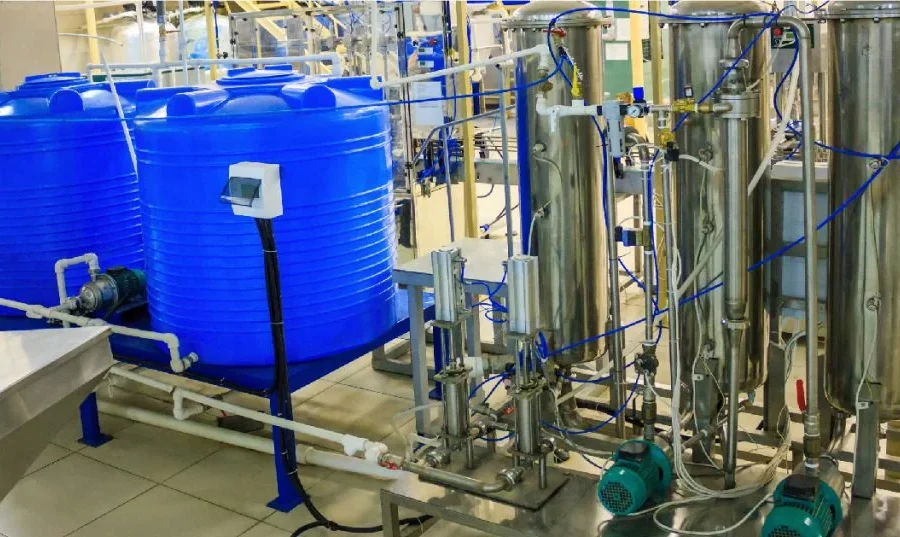
That’s why many homeowners eventually consider whole-house solutions instead of treating only one faucet. These systems help improve water before it reaches bathrooms, kitchens, laundry rooms, and water-using appliances, creating a more consistent experience throughout the home.
For larger families especially, this broader approach often makes daily routines noticeably easier.
Better Water Makes Everyday Living More Comfortable
It’s funny how quickly people notice improvements once their water changes.
Soap rinses away more easily. Towels often feel softer. Glassware comes out cleaner after washing. Hair may become easier to manage, and many people say their skin feels less dry after showers.
Even cooking changes subtly. Pasta, soup, tea, and coffee all rely heavily on water. When the water tastes better, meals frequently do too.
Of course, experiences vary from household to household, but many homeowners describe these improvements as the kinds of things they didn’t expect until they experienced them firsthand.
The Importance of clean water Every Day
We often associate drinking water with hydration, but its role extends much further.
Every meal prepared in your kitchen depends on it. Fresh fruits and vegetables are washed with it. Babies’ bottles, family dinners, morning coffee, and evening tea all begin with the same source.
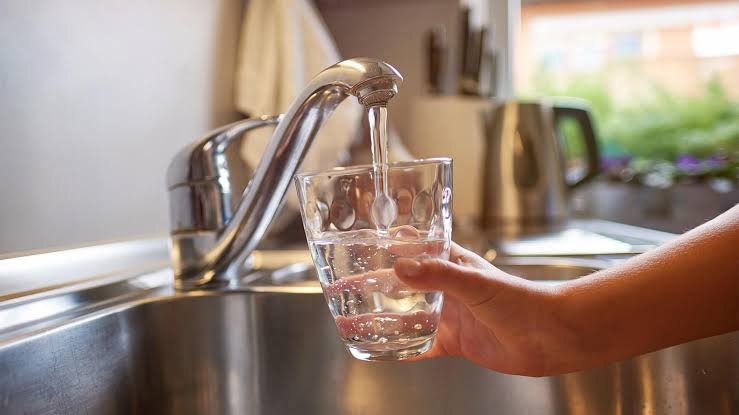
Having reliable clean water provides peace of mind that reaches beyond convenience. It supports healthier daily habits while making routine household tasks feel just a little easier. It’s not about chasing perfection—it’s about creating confidence in something your family uses countless times every day.
Maintenance Is Simpler Than Most People Expect
One concern people often have is whether water treatment systems require constant attention.
Fortunately, modern systems are generally designed for convenience. Depending on the equipment installed, maintenance may involve replacing filters, adding softener salt when necessary, or scheduling periodic inspections.
Regular maintenance helps equipment continue performing efficiently while protecting your investment over the years.
Like changing your car’s oil or servicing your heating system, a little routine care goes a long way.
Understanding water quality Helps You Plan Ahead
Many homeowners don’t think about their home’s water quality until they notice obvious problems. By that point, mineral buildup or appliance wear may already be occurring behind the scenes.
Being proactive offers several advantages. Water testing helps identify potential concerns before they become expensive repairs. It also allows homeowners to choose treatment options based on actual conditions rather than assumptions.
In many cases, early action saves money while improving everyday comfort at the same time.
Choosing What Works Best for Your Home
Every household is different. A family living in a rural area with private well water faces different challenges than someone connected to a municipal water supply in a growing city.
That’s why there isn’t one universal answer for everyone.
The best approach starts with understanding your home’s unique water profile. From there, treatment options can be matched to your specific needs, budget, and long-term goals. Whether the priority is reducing mineral buildup, improving taste, protecting plumbing, or extending appliance life, customized planning typically delivers better results than one-size-fits-all products.
Final Thoughts
Water quietly shapes daily life in ways most of us don’t notice until something changes. It’s there when we brew coffee before sunrise, wash dinner dishes after a long day, or fill a glass for our kids before bed. Because it’s so constant, it’s easy to take for granted.
Paying attention to the quality of your home’s water isn’t about chasing luxury. It’s about protecting your home, making everyday routines more enjoyable, and creating a healthier environment for everyone living under your roof.
Sometimes the biggest improvements aren’t dramatic renovations or expensive upgrades. Sometimes they’re as simple—and as meaningful—as better water flowing from every tap.