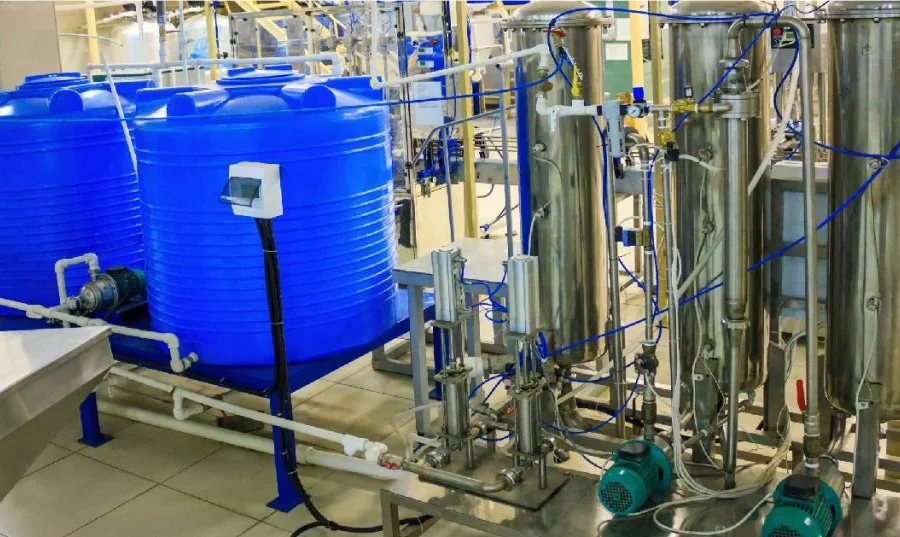

Water is part of almost everything we do at home. We use it to make morning tea, cook dinner, wash clothes, clean dishes, and take a shower after a long day. Most of the time, we turn on the tap without giving it a second thought. But when water starts leaving spots on glassware, developing an unusual smell, or affecting household appliances, it becomes difficult to ignore.
The good news is that water-quality problems often have practical solutions. The challenge is figuring out what’s actually causing them. Hardness, iron, chlorine, sediment, and other substances can affect water in different ways, and no single treatment system is designed to handle every possible issue.
Rather than guessing or buying equipment based on a neighbour’s experience, homeowners can take a more reliable approach: test the water, understand the results, and choose treatment that fits their household.
Start by Understanding Your Water Quality
Two homes on the same street can experience different water problems, particularly when their plumbing systems differ. Even water supplied by the same municipal provider may behave differently after travelling through older pipes or household plumbing fixtures.
Private well owners face additional considerations. Groundwater can contain naturally occurring minerals and metals, while nearby agricultural or industrial activity may introduce other concerns. Seasonal changes and heavy rainfall can also affect some water sources.
Pay attention to the clues your water provides. White deposits around taps often point towards hardness. Orange or brown stains may indicate iron, while a rotten-egg smell can sometimes be associated with hydrogen sulfide. A swimming-pool-like taste may be linked to chlorine used during municipal water treatment.
These signs are useful starting points, but they aren’t conclusive. Water that looks perfectly clear may still contain substances that require testing. That’s why identifying the cause is more helpful than treating symptoms alone.
Why Water Testing Makes Such a Difference
It’s tempting to purchase a filter after noticing an unpleasant taste or stubborn mineral deposits. However, the first product you find may not address the actual problem. A carbon filter, for example, can improve certain taste and odour issues, but it isn’t a universal solution for dissolved minerals, bacteria, or every chemical contaminant.
A free water test can be a convenient first step towards understanding your household supply. Depending on the provider, the assessment may include basic measurements such as hardness, pH, iron, or chlorine. Some providers offer preliminary testing at no charge, while more detailed laboratory analysis may involve a fee.
Before arranging a test, ask what it covers and whether the results are intended for screening or comprehensive analysis. If your concern involves drinking-water safety, a certified laboratory may be necessary, particularly for substances such as lead, arsenic, nitrates, or harmful microorganisms.
Testing is also useful when you already have treatment equipment. If a system was installed years ago, a new assessment can help determine whether it still meets your needs. Water quality can change, and equipment that once worked well may require servicing, adjustment, or replacement.
Common Water Problems and Their Possible Solutions
Hard water and mineral deposits
Hard water contains elevated concentrations of calcium and magnesium. Although these minerals are not generally a health concern at typical drinking-water levels, they can leave scale on fixtures, reduce soap performance, and create deposits inside water heaters and appliances.
A conventional water softener uses ion exchange to reduce hardness. The benefits may include easier cleaning, fewer mineral spots, and less scale formation. However, the best choice depends on the measured hardness, household water consumption, and preferences regarding maintenance and sodium use.
Chlorine taste and unpleasant odours
Municipal water providers commonly use chlorine or related disinfectants to control harmful microorganisms. Some people notice the resulting taste or smell more than others. Properly selected activated carbon filtration can reduce chlorine and certain compounds that affect taste and odour.
Still, a change in smell should not automatically be blamed on chlorine. Persistent or sudden changes deserve investigation, particularly when accompanied by unusual colour or other warning signs.
Iron, sediment, and staining
Iron can cause reddish stains on sinks, toilets, laundry, and plumbing fixtures. Sediment may make water appear cloudy or contribute to clogged fixtures and filters. Depending on the form and concentration of the substance, treatment may involve sediment filtration, oxidation, or specialised media.
The important detail is that these problems can look similar while requiring different solutions. Testing helps prevent unnecessary purchases and gives you a clearer basis for comparing systems.
Choosing a System That Suits Your Household
Once the water has been assessed, the next step is selecting equipment that addresses the confirmed issues. A whole-house filtration system treats water entering the property, while an under-sink reverse osmosis unit is generally designed to provide treated water at a specific drinking-water outlet.
Reverse osmosis can reduce many dissolved substances, depending on the system’s design and certification. However, it isn’t automatically necessary for every household. Similarly, ultraviolet disinfection may be useful when microbiological concerns are present, but it doesn’t remove dissolved chemicals or hardness.
Look beyond the purchase price when comparing equipment. Ask about replacement filters, water usage, electricity requirements, wastewater production, warranty coverage, and routine servicing. A system that appears inexpensive initially may cost more over several years if consumables are expensive or replacements are difficult to obtain.
This is where custom recommendations can be particularly valuable. A suitable recommendation should consider the test results, number of people in the home, daily water use, available installation space, and the problems you want to solve. It should also explain what the proposed equipment can and cannot remove.
Be cautious of anyone who promises that one product will eliminate every contaminant. Reliable treatment advice includes realistic performance expectations and, when appropriate, independent certification for specific reduction claims.
Installation Matters More Than Many People Realise
Even good equipment can perform poorly when installed incorrectly. Connections need to be secure, water flow must suit the system’s requirements, and the installation should follow the manufacturer’s instructions. Poor placement can make filter replacement difficult, while incorrect plumbing connections may lead to leaks or reduced performance.
Choosing professional installation can help ensure the system is properly fitted, configured, and checked before regular use. A qualified installer should explain how the equipment operates, demonstrate any monitoring features, and provide a clear schedule for routine maintenance.
After installation, ask whether follow-up water testing is recommended. This is especially important when the system is intended to reduce a specific health-related contaminant. A properly designed system should be verified against its stated performance requirements rather than judged only by taste or appearance.
Keep the installation paperwork, product specifications, and maintenance records somewhere easy to find. These details become useful when scheduling servicing or troubleshooting a future problem.
Keep Your Water Treatment System Working Well
Water treatment isn’t a one-time purchase that can be forgotten. Filters gradually collect particles, treatment media may lose effectiveness, and softeners or disinfection systems need periodic checks. Following the recommended maintenance schedule helps preserve performance and may prevent avoidable repairs.
Watch for changes in water pressure, taste, odour, or staining. Replace filters according to the manufacturer’s guidance instead of waiting until water quality noticeably deteriorates. If the system has a service indicator, take it seriously.
It’s also worth reviewing your needs whenever circumstances change. A growing family, a home renovation, a new water source, or a change in local water quality may justify another assessment.
A Better Approach Begins With Clear Information
Improving household water doesn’t have to mean installing complicated equipment or spending money on features you don’t need. Start with testing, understand the findings, and compare solutions that address your actual concerns.
When you know what is present in your water, decisions become easier. You’ll have a better idea of which system may help, what maintenance it will require, and whether professional advice or laboratory analysis is appropriate.
Good water treatment is ultimately about making everyday life a little easier while taking water quality seriously. A cleaner kettle, fewer stubborn stains, and greater confidence in your drinking water are worthwhile benefits. And the best place to begin isn’t with the most expensive filter on the market. It’s with a clear understanding of the water flowing through your own home.