Water is one of those things we rarely think about until something seems wrong. A strange taste, cloudy glassware, white deposits around the faucet, or an odd smell can suddenly make you wonder what has been coming through the pipes all along.
And that’s a fair question.
Water can look perfectly clear while still containing minerals, chemicals, or other substances that affect how it tastes, feels, or behaves in your home. The answer isn’t always to buy the biggest filter you can find, either. In fact, that’s often where people go wrong.
A better approach starts with understanding your water, identifying the actual problem, and then choosing treatment that fits.
Why Testing Your Water Is a Smart First Step
It’s tempting to diagnose water by appearance. Orange stains must mean iron, right? White spots must mean hardness. A chlorine smell must mean there’s too much chlorine.
Sometimes those assumptions are correct. Sometimes they’re not.
That’s why free in-home water testing can be a useful starting point for homeowners who want to learn more about their water before making a treatment decision. Depending on the provider and testing method, an evaluation may examine factors such as hardness, pH, iron, chlorine, sediment, and other characteristics.
The real value isn’t simply getting a list of numbers. It’s understanding what those numbers mean for your household.
If someone recommends a treatment system, ask them to explain the reason behind it. What problem is the equipment solving? What does it remove? What doesn’t it remove?
Those answers matter.
Water Quality Is More Than Taste and Appearance
When people hear the phrase water quality, they often think about whether water tastes good or smells fresh.
Those things certainly matter. Nobody wants to drink water that tastes strongly of chlorine or has an unpleasant metallic flavor.
But water quality is broader than taste.
Hardness can contribute to scale on faucets and inside appliances. Iron can cause orange or reddish staining. Sediment can affect fixtures and filtration equipment. Other substances may not be visible at all.
This is why relying only on your senses isn’t enough.
Water testing provides information that your eyes and taste buds simply can’t provide. It gives you a starting point for making sensible decisions rather than guessing.
What a Water System Actually Does
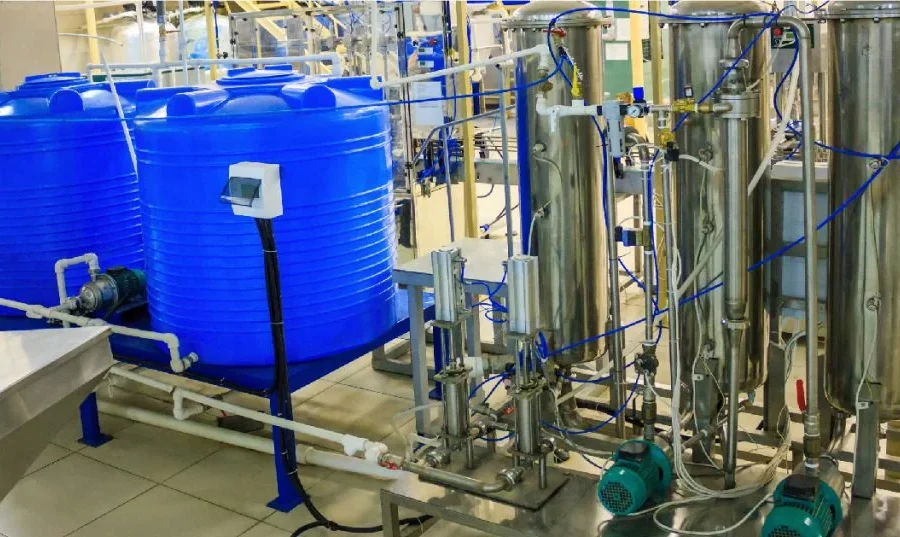
The term water system can mean many different things, which is partly why shopping for treatment equipment can become confusing.
A water softener is designed primarily to reduce hardness minerals such as calcium and magnesium. A carbon filter may improve taste and odor while reducing certain compounds. Reverse osmosis can reduce many dissolved substances, while specialized filters may target specific contaminants.
In other words, there’s no single machine that does everything equally well.
The right choice depends on your water and your goals.
If hard water is leaving scale everywhere, a softener may be appropriate. If chlorine taste is your biggest complaint, carbon filtration might be enough. If testing identifies a specific contaminant, a specialized treatment method may be necessary.
Good treatment is targeted treatment.
Look Beyond the Kitchen Faucet
It’s easy to think about water quality only when you’re filling a glass. But your home’s water affects much more than drinking.
Think about your shower, washing machine, dishwasher, water heater, and bathroom fixtures.
Hard water can leave deposits on shower doors and faucets. Iron can stain laundry and plumbing fixtures. Sediment can collect in screens and valves.
A whole-house treatment system may be worth considering when a water problem affects multiple areas of the property.
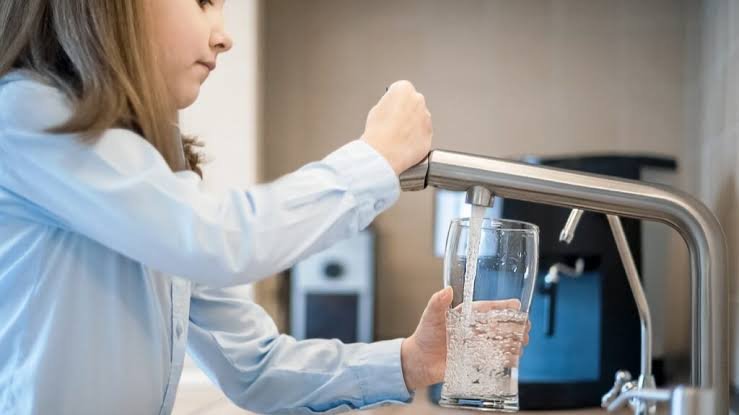
On the other hand, if your main concern is drinking-water taste, a point-of-use filter under the kitchen sink may be all you need.
There’s no reason to treat every gallon of water if the problem is limited to one use.
Whole-House Treatment vs. Point-of-Use Filtration
This is one of the most important decisions homeowners face.
Whole-house treatment happens as water enters the property, meaning treated water can reach showers, sinks, appliances, and other fixtures.
Point-of-use systems treat water at a specific location. They’re often installed at a kitchen faucet or connected directly to a drinking-water dispenser.
The better option depends on what you’re trying to accomplish.
If your entire house has hard water, treating only the kitchen won’t solve the scale on your showerhead. But if you’re mainly concerned about the taste of drinking water, a smaller system could be more practical and less expensive.
Start with the problem, not the equipment.
Maintenance Is Part of the Deal
One thing that’s easy to forget when buying water treatment equipment is maintenance.
Filters don’t last forever. Softener systems need regular attention. Reverse osmosis membranes eventually require replacement. Some equipment needs professional servicing.
A neglected system can gradually lose performance, even if it worked perfectly when first installed.
Before purchasing anything, ask how often the filters need to be replaced and what those replacements cost. Find out whether routine maintenance can be handled yourself or requires a technician.
A system that’s easy to maintain is more likely to stay in good condition.
Set reminders if you have to. It’s a small habit that can prevent a surprisingly frustrating problem later.
Don’t Buy More Treatment Than You Need
More filtration isn’t automatically better.
If your water test shows a relatively simple issue, you may not need a complicated multi-stage system. Likewise, a premium system with dozens of features isn’t necessarily a better fit for a small household.
Think about capacity, installation requirements, operating costs, replacement filters, warranty coverage, and expected lifespan.
Then compare options based on those factors.
It’s also worth getting more than one opinion when the investment is significant. A trustworthy water treatment professional should be able to explain why a particular technology is recommended without making you feel pressured.
If the explanation sounds like a sales pitch rather than useful advice, take a step back.
Water Treatment Should Make Life Easier
The best water treatment solution isn’t the one with the longest feature list. It’s the one that solves the problems you actually have.
Start with testing. Understand the results. Decide whether the issue affects the whole home or just drinking water. Then select equipment that’s appropriately sized and realistic to maintain.
Good water treatment can mean fewer stains, less scale, better-tasting drinking water, and less worry about what’s coming from the tap.
And that’s really the point.
You shouldn’t have to spend your mornings wondering about your water. Once you’ve identified the problem and chosen the right solution, water can return to being what it should have been all along: an ordinary, dependable part of everyday life.